

Bolivia vs Argentina Payments: What Travelers Need to Know in 2026
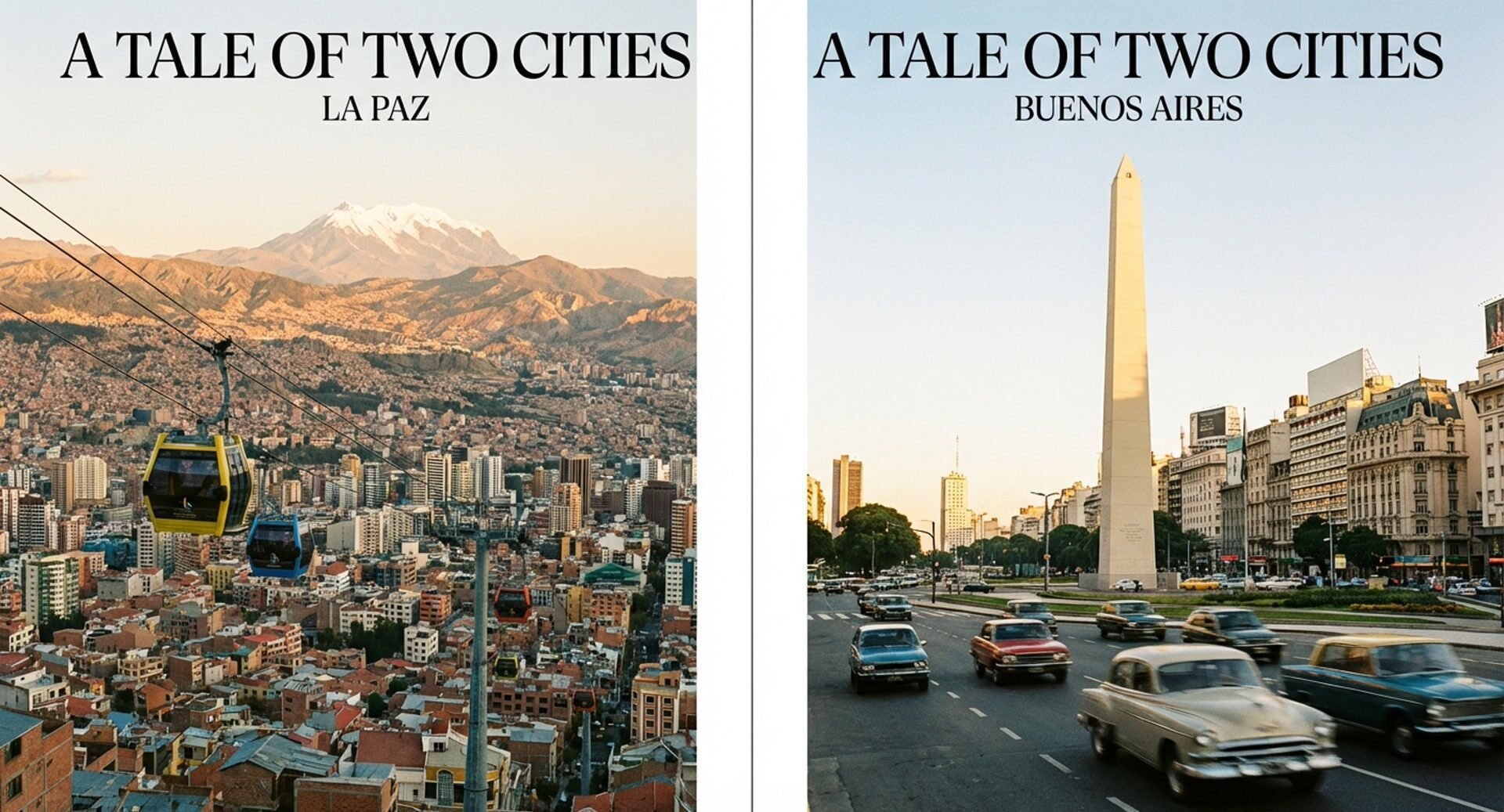
Bolivia and Argentina share a border, but paying in each country feels completely different on the ground. If you are crossing between the two, this guide shows what actually works for travelers in 2026, from card acceptance and QR usage to where exchange-rate losses hit hardest.
TL;DR
- Argentina is easier for foreign cards, but local QR still gives better practical rates in many cases.
- Bolivia is QR-first, and foreign cards/ATMs convert at the fixed official 6.96 BOB/USD rate.
- WanderWallet QR in Bolivia has recently tracked around 8.8-9.0 BOB/USD, which is roughly 25-30% more purchasing power versus official-rate card/ATM flows.
- WanderWallet works in both countries without a local bank account: Transferencias 3.0 in Argentina, QR Simple in Bolivia.
- Keep a small cash backup in both countries for edge cases.
Bolivia Vs Argentina Payments: Side-By-Side Reality
| Feature | Argentina | Bolivia |
|---|---|---|
| Main local rails | Transferencias 3.0, Mercado Pago, MODO | QR Simple (central-bank instant rail) |
| QR acceptance | Very high in major cities | Very high across daily commerce |
| Foreign card usability | Generally broad acceptance | Limited outside hotels/upscale spots |
| ATM reality | Common but often low withdrawal caps | Common in cities, but official-rate conversion pain |
| Without local rails | Manageable but less efficient on FX | Cash-heavy and expensive via official-rate cards/ATMs |
| WanderWallet status | Live via Transferencias 3.0 | Live via QR Simple |
The Exchange-Rate Mechanism That Matters
Argentina
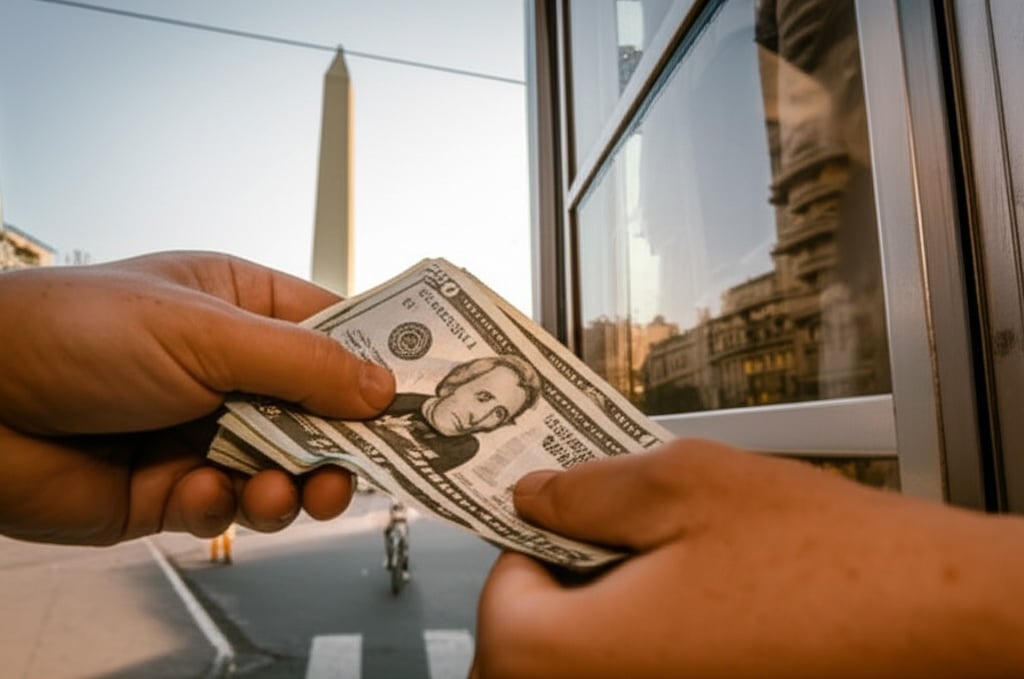
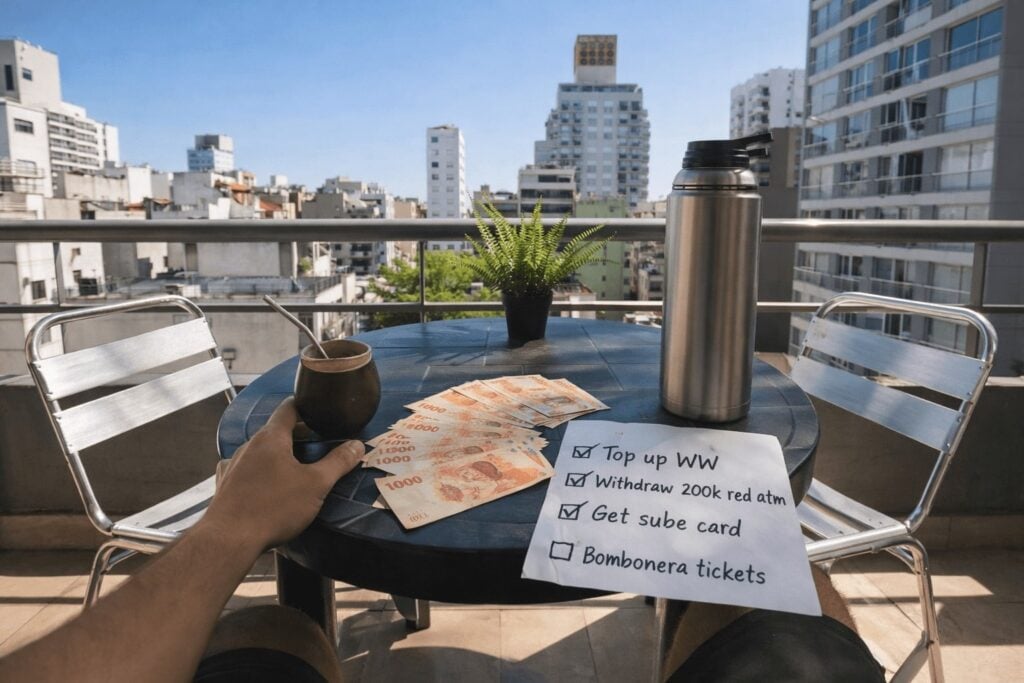
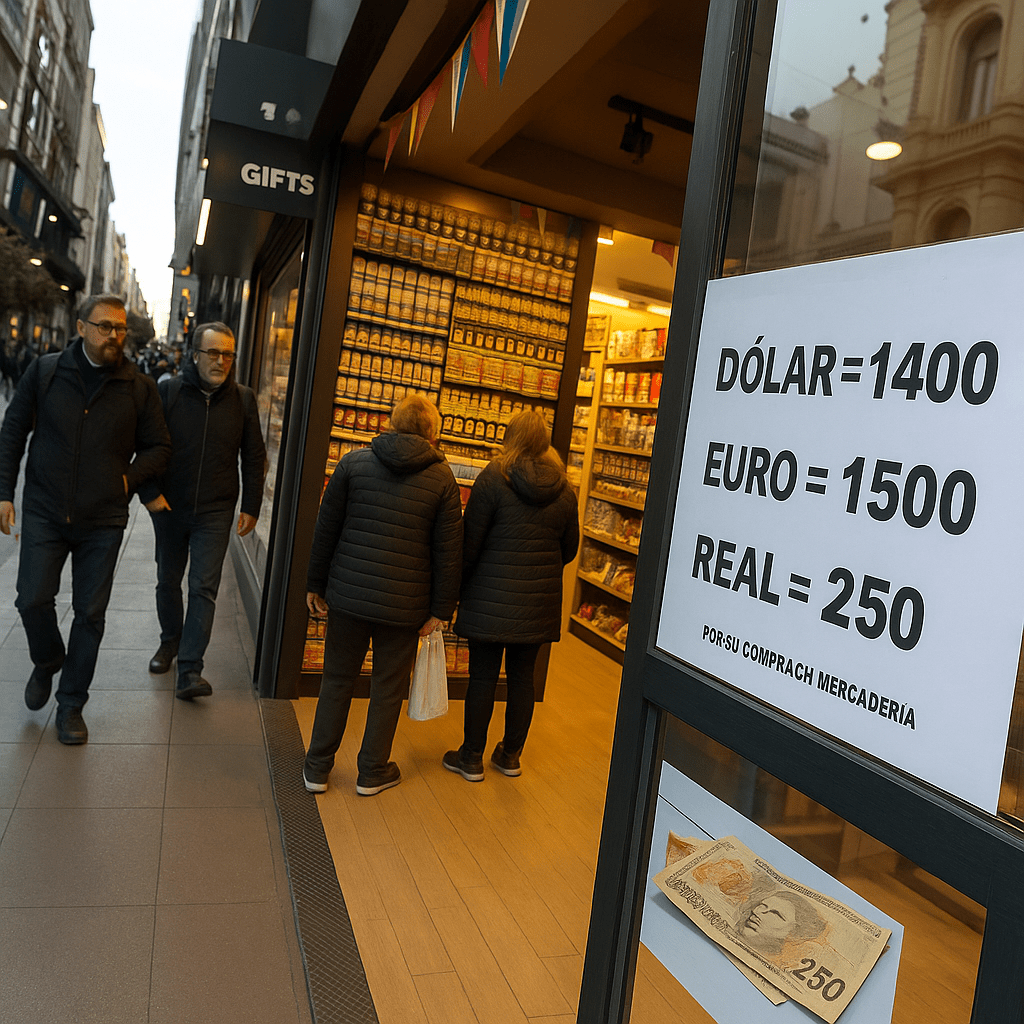
Argentina has multiple exchange references. Foreign card pricing can lag local-market reality, while local payment rails usually track local conditions better. Practically, this means tourists often overpay when they rely only on international cards. For a country-specific breakdown, see QR Payments in Argentina for Tourists.
Bolivia
Bolivia has the clearest gap: cards and ATMs typically convert at the official 6.96 BOB/USD rate, while local-market pricing has recently sat around 8.8-9.0 BOB/USD. That spread is why payment method changes outcomes so dramatically. If your payment route tracks local-market pricing instead of the official card/ATM channel, your dollars buy materially more. You can see this in detail in Bolivia’s Parallel Dollar: What Travelers Need to Know.
A Normal Day Paying In Buenos Aires
Coffee shop, taxi, lunch, grocery stop, pharmacy: in Buenos Aires, you can usually pay by card or QR. The core issue is less acceptance and more conversion quality. Local rails tend to be better value than standard foreign card flows.
A Normal Day Paying In La Paz
In La Paz, QR is routine for everyday transactions. Restaurants, shops, supermarkets, and many market stalls display QR codes. For travelers, this is where access matters most: without local-compatible rails, you default to cash and official-rate card/ATM conversion. If you want the full practical walkthrough, read How to Pay in Bolivia as a Tourist.
Operational note: Bolivia payment rails can have short maintenance windows, often around late-night local hours. Keep a small cash buffer for those moments.
Where Each Country Is Easier
Argentina Strengths
- Higher baseline card acceptance for tourists
- Multiple digital payment options in large cities
- Less day-to-day payment friction for short visits
Bolivia Strengths
- Deep QR penetration in daily commerce
- Large spread between official and local-market pricing creates meaningful upside when using the right rails
- Lower baseline cost of living than Buenos Aires for many traveler profiles
Main Traveler Constraints
- Argentina: card-friendly, but conversion quality can still be poor versus local rails.
- Bolivia: cards/ATMs are the worst value path because they anchor to official-rate conversion.
How WanderWallet Fits In Both Countries
WanderWallet is designed for one specific problem: paying like a local without a local bank account.
- Argentina: connects to Transferencias 3.0-compatible QR acceptance flows.
- Bolivia: connects to QR Simple acceptance where tourists historically had to depend on cash or official-rate card/ATM usage.
Same app, same balance logic, different local rails under the hood. If you’re planning a border hop, pair this with Argentina Payments Cheat Sheet 2026 and How to Pay in Bolivia as a Tourist.
Frequently Asked Questions
Why is Bolivia usually the bigger FX win for travelers?
Because card and ATM conversions in Bolivia usually follow the official 6.96 BOB/USD rate, while local-market pricing has recently been around 8.8-9.0.
Can travelers use the same payment app in Bolivia and Argentina?
Yes. WanderWallet supports local payment rails in both countries so travelers do not need a local bank account.
Should I still carry cash in both countries?
Yes. Carry a small backup for edge cases like some taxis, remote areas, or occasional maintenance windows.
Is Argentina or Bolivia easier for foreign cards?
Argentina is generally easier for foreign cards. Bolivia remains much more QR-first in daily commerce.
Ready to Start Paying with QRs in Argentina and Bolivia?
Download WanderWallet and start paying like a local.


About the Author

Milo
Milo writes about the stuff nobody tells you before you land: why your card gets declined, where cash still rules, and how to actually pay for things without getting ripped off. He's WanderWallet's resident payment nerd.