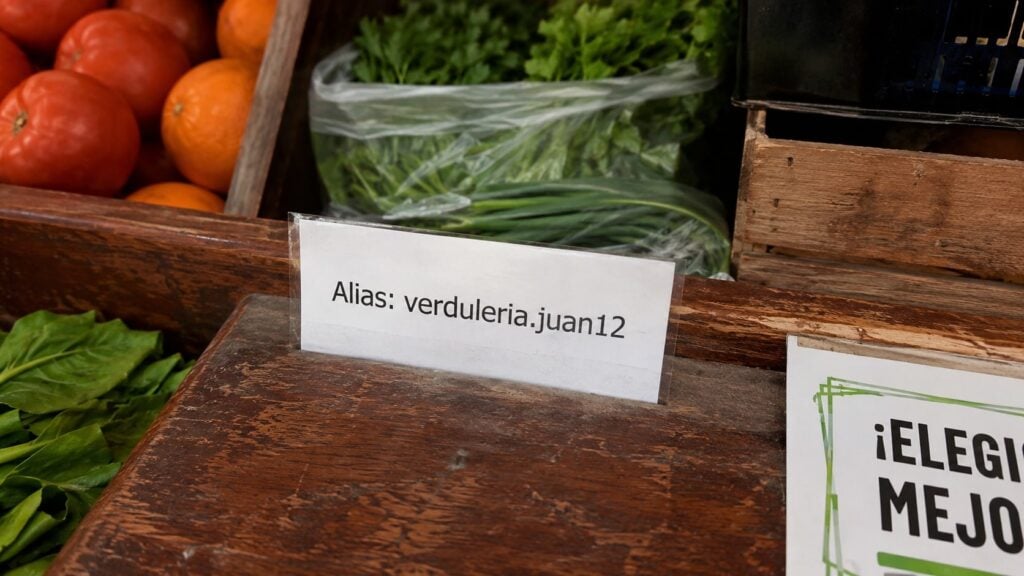


How to Travel Argentina Without Cash Using QR Payments and Direct Transfers
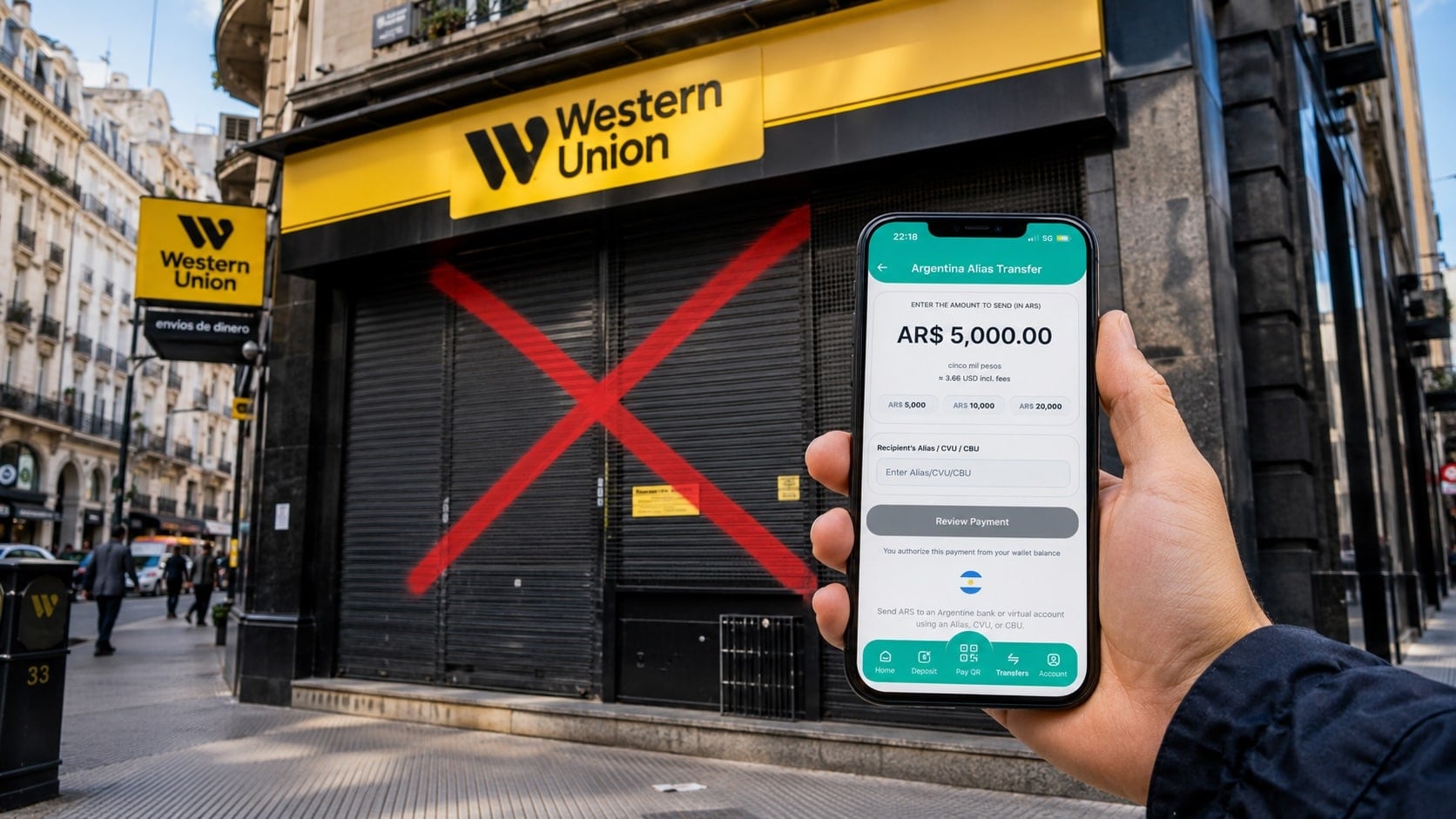
For years, the standard Argentina travel-money advice sounded almost like a ritual: bring crisp US dollar bills, check the blue dollar rate, send money to yourself through Western Union, line up for pesos, and carry enough cash for the day.
That advice made sense when the gap between exchange rates was huge and foreign cards gave travelers a poor deal. But by late 2025 and early 2026, Argentina looks different. Inflation is far more controlled, the blue dollar still exists but often sits only about 3-5% away from the card/MEP rate, and travelers no longer need to recalculate every coffee purchase against a chaotic FX market.
The catch is that Argentina is still not truly card-first for travelers. Plenty of real situations still do not work well with foreign cards, and some do not even work with QR payments. Tour guides, small service providers, apartment deposits, informal bookings, local vendors, and person-to-person payments could still end with the same answer: cash.
That is the real change. With QR payments and Direct Alias Transfers now available in WanderWallet, the old cash fallback starts to disappear. You can pay merchants by QR, send money directly when someone gives you an Alias, CBU, or CVU, and get rates consistently 3-5% better than foreign credit cards, including many no-FX-markup cards.
TL;DR: Argentina travel advice is catching up. Instead of planning your trip around cash pickups, you can now use WanderWallet for QR payments and direct local transfers to Alias, CBU, or CVU recipients. That means less cash, fewer exchange errands, and rates that are consistently 3-5% better than foreign credit cards.
The Old Argentina Money Advice Was Built Around Cash
If you read Argentina travel blogs, Reddit threads, or nomad guides, you will still see the same recommendations repeated again and again:
- Bring clean, newer US dollar bills, especially $100 notes.
- Use Western Union to send money to yourself.
- Pick up Argentine pesos in cash once you arrive.
- Check the blue dollar and MEP dollar before exchanging.
- Avoid ATMs because of fees, low limits, and weak rates.
- Use cards for hotels and bigger merchants, but keep cash for everything else.
This was not bad advice. Argentina really did force travelers to think harder about money than almost anywhere else. Cash often meant better rates, wider acceptance, and more flexibility.
But it also meant spending part of your trip managing pesos instead of enjoying Argentina.
Gone Are The Days Of Lining Up In Front Of Western Union
Gone are the days of planning your morning around a Western Union queue just so you can pay for lunch.
The old cash-first system came with real friction. Branches had opening hours. Some locations ran out of cash. A single pickup could leave you carrying a thick stack of bills. You had to think about where to exchange, how much to withdraw, how much to carry, and whether your remaining pesos would last until the next errand.
That was manageable when the rate difference was massive. It is much harder to justify when the blue dollar advantage is often only a few percentage points, especially if the price of that advantage is time, inconvenience, and carrying cash around Buenos Aires, Mendoza, Bariloche, or Patagonia.
The better question in 2026 is not “Where do I get cash?” It is “What used to require cash, and can I now pay it locally from my phone?”
What Direct Transfers Mean In Argentina
In Argentina, many people and businesses can receive instant local transfers using a simple payment identifier called an Alias. Others may give you a CBU or CVU, which are local account identifiers used by bank accounts and digital wallets.
If you are visiting Argentina, someone might say:
- “Send it to my Alias.”
- “I can take transfer.”
- “Here is my CVU.”
For locals, this is normal. For travelers, it used to be frustrating because foreign bank apps and cards were not connected to Argentina’s local transfer network.
With WanderWallet, that gap is closing. We call them Direct Transfers because that is what matters for travelers: you can send money directly to a local recipient instead of withdrawing cash first.
If you want the deeper technical explanation, read our guide to Alias payments in Argentina.
What WanderWallet Now Supports In Argentina
WanderWallet now supports Direct Alias Transfers in Argentina. That means you can send local transfers to recipients using:
- Alias
- CBU
- CVU
Open the app and go to Transfers -> Argentina Alias Transfer. If you do not see the option yet, update WanderWallet to the latest version.
This builds on our existing Argentina payment support. You can already use WanderWallet for QR payments in Argentina, and our Direct Alias Transfers launch announcement explains what is newly live.
Where Direct Transfers Help Travelers Most
QR payments are great when you are paying a merchant with a QR code. Direct Transfers help with the situations where cash used to be the fallback.
Examples include:
- Paying a tour guide who gives you an Alias.
- Sending money to a local friend.
- Paying for a small service provider.
- Covering a rental deposit or local booking.
- Paying a small business that prefers transfer over card.
- Handling situations where QR is not available but a transfer is accepted.
This is the missing piece in the cashless Argentina experience. Cards work in some places. QR works in many merchant situations. But neither one solves every local payment moment. Until now, those gaps usually pushed travelers back to cash. Direct Transfers give travelers a local payment option for the situations where cash used to be the only realistic fallback.
QR Payments Plus Direct Transfers Make Argentina Feel Cashless
The real upgrade is not only Alias Transfers. It is the combination.
QR payments cover many everyday merchant payments. Direct Transfers cover people and businesses that ask for an Alias, CBU, or CVU. Together, they solve the two biggest reasons travelers still reach for cash: card acceptance gaps and local payment situations that QR alone does not cover.
The experience we are building toward is simple. Imagine Lena Fischer, a German traveler spending a month in Buenos Aires, after switching from cash pickups to local payments:
“Before WanderWallet, I thought Argentina meant carrying cash everywhere. Now I scan QR codes in shops and send a direct transfer when someone gives me an Alias. I barely think about pesos anymore.”
Lena Fischer, German traveler in Buenos Aires
That is the goal: pay like a local, without needing a local bank account, a local wallet account, or a morning spent picking up cash.
You Can Save Money Too
Cashless convenience is only half the story. Rates matter.
By late 2025 and early 2026, Argentina’s extreme FX chaos has cooled. The blue dollar is still part of the market, but the gap versus card rates is often around 3-5%, not the massive spread travelers remember from older blog posts.
That does not make rate optimization irrelevant. It makes it simpler.
WanderWallet is consistently 3-5% better than foreign credit card rates, including many cards that advertise no FX markup. So the choice is no longer between “good rate but cash hassle” and “easy card payment but worse rate.”
With WanderWallet, the point is:
- No Western Union queue.
- No stacks of pesos.
- No constant FX recalculation.
- No need to accept weaker card rates just for convenience.
You get a payment experience that is closer to how locals pay, while also saving compared with foreign card rates.
What About The Blue Dollar?
The blue dollar still exists, and some travelers will still choose to bring USD cash or use cash exchange for specific situations. We are not saying cash has disappeared from Argentina.
We are saying the old “cash is the only reliable fallback” advice is finally becoming outdated.
When the rate gap is only a few percentage points, the hidden cost of cash matters more: time, safety, branch logistics, leftover pesos, and the constant mental load of managing exchange. But the point is not only convenience. If cards do not work, and QR is not an option, travelers used to need cash. Direct Transfers give them another way to pay locally, with WanderWallet rates that are consistently 3-5% better than foreign credit cards.
For more background on the FX system, see our guide to the blue dollar vs MEP dollar in Argentina.
How To Use Direct Transfers In WanderWallet
- Update WanderWallet to the latest version.
- Open Transfers.
- Choose Argentina Alias Transfer.
- Enter the recipient’s Alias, CBU, or CVU.
- Review the recipient details and amount.
- Confirm the transfer.
If you are paying a shop, restaurant, or merchant with a QR code, use QR payments instead. If someone gives you an Alias, CBU, or CVU, use Direct Transfers.
Argentina Travel Money Is Changing
Older Argentina travel advice taught visitors how to survive a cash-heavy system: bring USD, track the blue dollar, use Western Union, avoid ATMs, and carry pesos because cards would not always work and local transfers were not available to foreigners.
That last part is what is changing.
In late 2025 and early 2026, the smarter path is not just “use cards more.” Cards still miss too much. QR payments help with merchants, but QR alone does not solve every payment. The stronger path is to use the same local rails Argentines already use: QR when there is a QR code, Direct Transfers when someone gives you an Alias, CBU, or CVU, and cash only as a true backup.
With WanderWallet QR payments and Direct Alias Transfers, Argentina can finally feel much closer to cashless for travelers. You can pay more places, replace many cash-only moments with local transfers, and save around 3-5% versus foreign credit card rates while doing it.
Related Guides
- What Are Alias Payments In Argentina? Learn what Alias, CBU, and CVU mean for local transfers.
- Direct Alias Transfers Are Live In WanderWallet Read the launch announcement.
- QR Payments For Tourists In Argentina See how to pay merchants with QR codes.
- Western Union Alternatives In Argentina Compare cash pickup with newer payment options.
- Argentina Payments Cheat Sheet 2026 Get a quick overview of cards, cash, QR, and transfers.
Frequently Asked Questions
Can I travel in Argentina without cash?
You can travel much more cash-light in Argentina than before. Cards and QR payments still do not cover every situation, but WanderWallet Direct Alias Transfers replace many moments where travelers used to need cash.
What is a Direct Alias Transfer in Argentina?
A Direct Alias Transfer is an instant local transfer to an Argentine recipient using an Alias, CBU, or CVU. For travelers, it means you can pay someone directly instead of withdrawing pesos first.
Are WanderWallet rates better than foreign credit cards in Argentina?
WanderWallet is consistently 3-5% better than foreign credit card rates in Argentina, including many cards with no FX markup.
Is the blue dollar still relevant in Argentina?
Yes, the blue dollar still exists, but by late 2025 and early 2026 the difference versus card rates is often around 3-5%, so the convenience cost of chasing cash rates matters more.
Where do I find Argentina Alias Transfer in WanderWallet?
Open WanderWallet, go to Transfers, then choose Argentina Alias Transfer. If you do not see it, update the app to the latest version.
Ready to Stop Using Cash in Argentina?
Download WanderWallet and start paying like a local.


About the Author

Milo
Milo writes about the stuff nobody tells you before you land: why your card gets declined, where cash still rules, and how to actually pay for things without getting ripped off. He's WanderWallet's resident payment nerd.