

Bogota Travel Guide for First-Time Visitors
Bogota is worth visiting if you plan it like a high-altitude capital, not a quick beach stop. First-time visitors should base themselves in the right neighborhood, keep the first day light, use official transport or ride apps, and give the city enough time for museums, viewpoints, food, and a day trip.
TL;DR: Spend 2-4 days in Bogota, stay in Chapinero, Zona T, Usaquen, or a careful La Candelaria base, pack layers for cool highland weather, use official airport taxis or TransMilenio when it fits your route, and visit Monserrate, the Gold Museum, La Candelaria, and at least one food or neighborhood walk.
Why Visit Bogota First?
Bogota is often treated as a transit stop before Medellin, Cartagena, or the Coffee Region. That is a mistake if you like museums, food, history, street art, bookstores, mountain views, and cities that take a few days to understand.
The city sits high in the Andes, so it feels cooler and more intense than many travelers expect from Colombia. It is also huge. A good Bogota trip is less about checking off every neighborhood and more about choosing a base, grouping sights by area, and not wasting half your day in traffic.
For broader WanderWallet country guides and future Colombia updates, keep the WanderWallet guides index nearby. This article stays focused on general travel planning, not payments.
How Many Days Do You Need in Bogota?
Two full days is the practical minimum. Three or four days is better if Bogota is your first stop in Colombia or you want time for museums, food, and a day trip without rushing.
| Time In Bogota | Best For | What To Prioritize |
|---|---|---|
| 1 day | Long layover or forced stop | La Candelaria, Gold Museum, Monserrate if weather is clear |
| 2 days | First-time highlights | Historic center, Monserrate, Chapinero or Usaquen, one strong food plan |
| 3-4 days | Better first visit | Museums, street art, markets, northern neighborhoods, slower altitude adjustment |
| 5+ days | Remote workers or deeper city travel | Day trips, specialty coffee, cycling, galleries, neighborhood routines |
If you arrive on an overnight flight or after a long connection, count that arrival day lightly. Bogota’s altitude and traffic can make an ambitious first-day plan feel worse than it looks on a map.
Where To Stay In Bogota First Time
Your neighborhood choice matters more in Bogota than in many cities because the city is spread out and traffic can be slow. Pick your base around how you want evenings to feel.
Chapinero
Chapinero is one of the most useful first-time bases. It puts you closer to restaurants, cafes, nightlife, coworking, and several northern neighborhoods while still keeping the historic center reachable by taxi, ride app, or public transport. It is a good fit for travelers who want city life without staying in the old center.
Zona T And Parque 93
Zona T and Parque 93 are polished, convenient, and restaurant-heavy. They usually cost more, but they work well if you want an easier first landing, safer-feeling evenings, and quick access to bars, malls, and international restaurants.
Usaquen
Usaquen feels calmer and more residential, with good restaurants and a popular Sunday market. It is a strong choice for couples, slower travelers, and people who do not need to be near La Candelaria every day. The tradeoff is distance from the historic center.
La Candelaria
La Candelaria is the historic core and the most convenient base for museums, Plaza de Bolivar, street art tours, and colonial streets. It is best if you want a short cultural stay and plan to be out during the day. For evenings, be more deliberate: use transport back to your accommodation, avoid quiet streets late, and choose lodging with recent safety reviews.
What To Do In Bogota
Start with the places that explain the city rather than only the places that photograph well.
La Candelaria And The Historic Center
La Candelaria is the obvious first stop: colorful streets, churches, museums, government buildings, cafes, and walking tours. Go during the day, keep your phone controlled in busy areas, and avoid treating every empty side street as a shortcut.
Gold Museum
The Gold Museum is one of Bogota’s best first-time museums. It is useful even if you are not usually a museum person because it gives context for pre-Hispanic cultures, trade, ritual objects, and Colombia beyond the modern city.
Monserrate
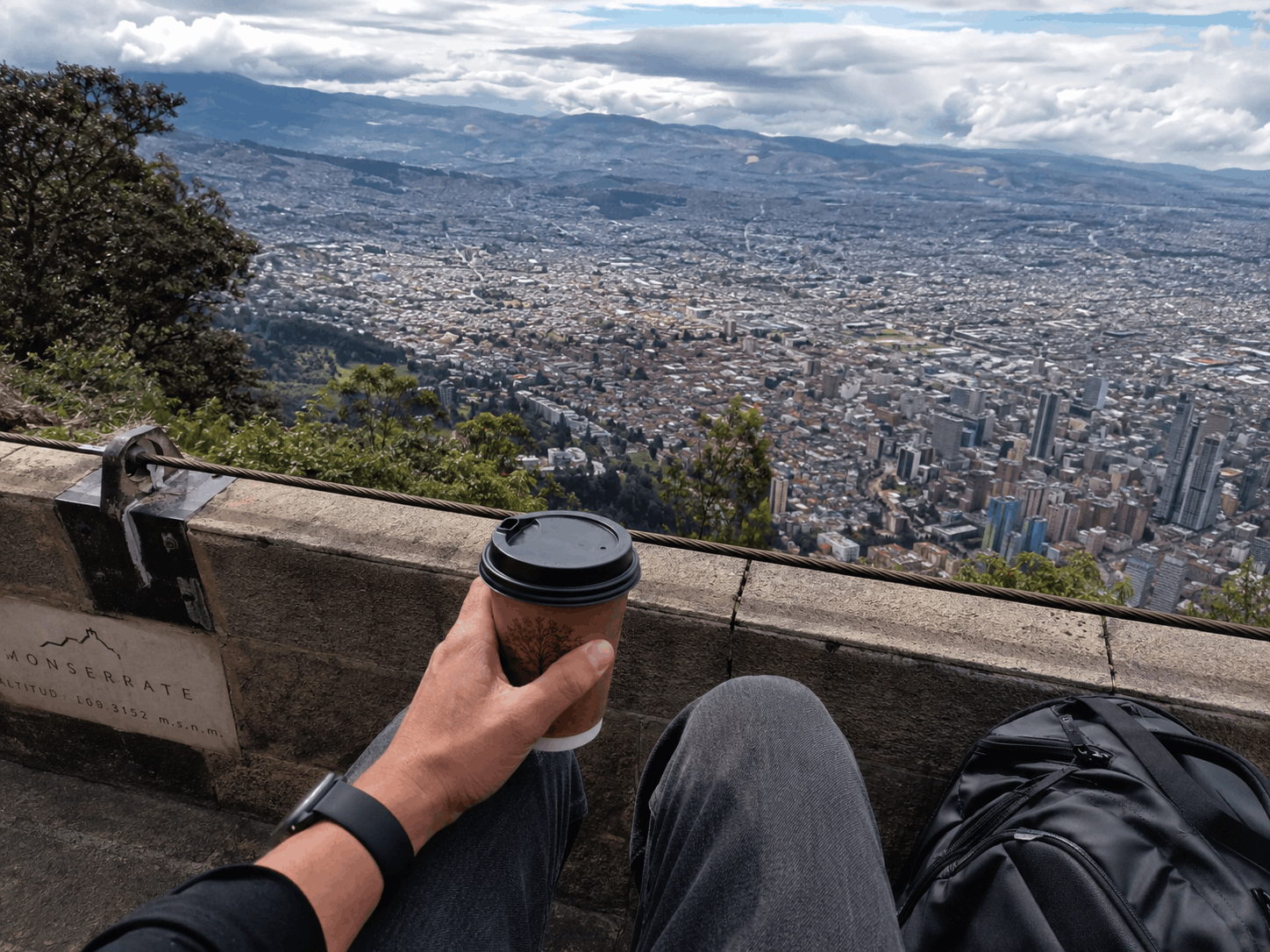
Monserrate is the classic viewpoint above Bogota. Go when the weather is clear, bring a layer, and check the official site before you choose between funicular, cable car, or walking. If you just arrived at altitude, do not make the hike your first physical test.
Usaquen Sunday Market
Usaquen is especially good on Sundays, when the market, restaurants, and street activity give the neighborhood more energy. It is a relaxed contrast to the historic center and a useful way to see a different side of the city.
Food, Coffee, And Neighborhood Walks
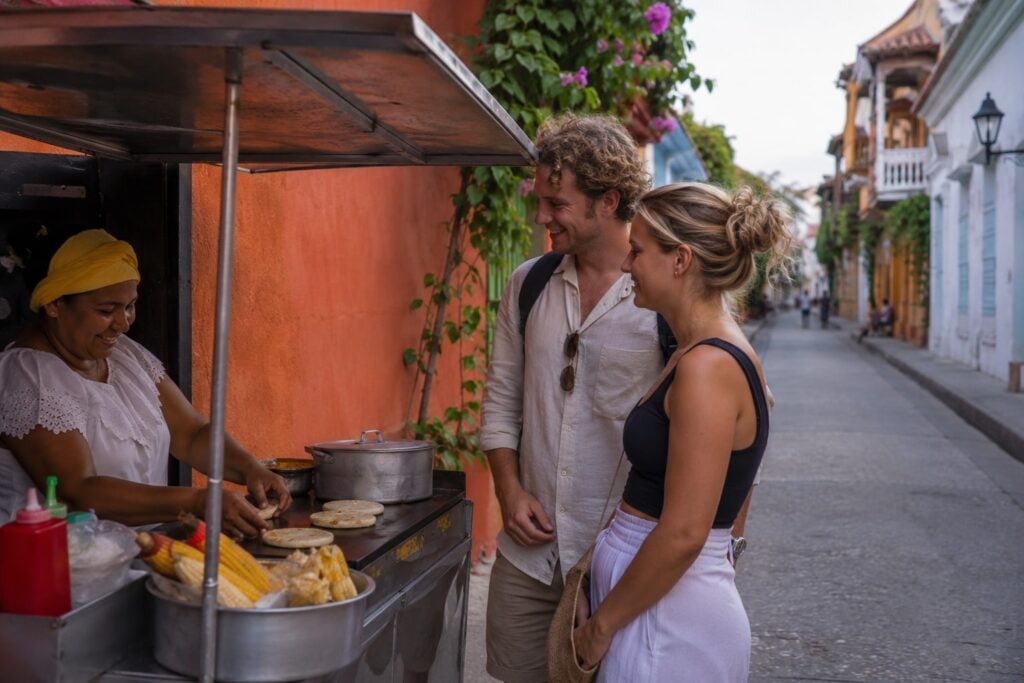
Bogota is one of Colombia’s strongest food cities. Build in time for ajiaco, arepas, tamales, specialty coffee, bakeries, market fruit, and at least one meal that is not squeezed between tours. Chapinero, Quinta Camacho, Usaquen, and the Zona G area are good starting points for restaurant planning.
Airport Arrival And Getting Around
El Dorado International Airport is west of the main visitor zones. Your best arrival option depends on luggage, time of day, budget, and confidence with public transport.
- Official airport taxi: Best for most first arrivals, especially at night or with luggage. Use the official airport taxi system rather than accepting random offers.
- Ride apps: Commonly used in Bogota, but airport pickup points and wait times can vary. Confirm the plate and driver before getting in.
- TransMilenio: The bus rapid transit system can connect the airport area with the city and is covered in the city’s official TransMilenio visitor guidance. It works best for lighter luggage, daytime arrivals, and travelers comfortable navigating transfers.
Inside the city, group your days by area. Do La Candelaria, the Gold Museum, and Monserrate on the same side of the city. Save Chapinero, Zona G, Zona T, and Usaquen for another day instead of crossing back and forth.
Weather, Altitude, And What To Pack
Bogota is cool for Colombia. Expect mild days, chilly evenings, sudden rain, and strong sun when clouds clear. Pack like you are visiting a mountain city: long pants, comfortable closed shoes, a light sweater or fleece, a rain shell, and sunscreen.
The altitude is real. Bogota sits around 2,600 meters above sea level, and some visitors feel tired, short of breath, or headachy on arrival. Keep your first day simple, drink water, go easy on alcohol, and avoid scheduling your hardest walk immediately after landing.
Is Bogota Safe For Tourists?
Bogota is manageable for tourists, but it is not a city where you should drift around carelessly. Petty theft and phone snatching are real risks, especially in busy or poorly lit areas. The practical approach is simple: move with purpose, use transport at night, keep valuables low-profile, and avoid isolated streets after dark.
La Candelaria is a good daytime area for visitors but needs more caution at night. Chapinero, Zona T, Parque 93, and Usaquen often feel easier for evenings, though normal big-city awareness still applies. Ask your accommodation about current local blocks to avoid, because street-level conditions change faster than generic travel guides.
A Practical 3-Day Bogota Plan
Day 1: Arrival, Altitude, And A Gentle Neighborhood Walk
Check in, eat nearby, buy basics, and avoid an overpacked day. If you arrive early and feel good, walk around your base neighborhood or visit a nearby cafe. Save Monserrate for clearer weather and better energy.
Day 2: La Candelaria, Gold Museum, And Monserrate
Start early in La Candelaria, visit the Gold Museum, walk the historic center, and go up Monserrate if visibility is decent. Return before you are exhausted, then use transport to dinner rather than walking long distances at night.
Day 3: Northern Neighborhoods, Food, And Usaquen
Use the third day for Chapinero, Quinta Camacho, Zona G, Zona T, Parque 93, or Usaquen. If it is Sunday, put Usaquen higher on the list. If you prefer museums, swap in the Botero Museum or another cultural stop before heading north.
Common First-Time Mistakes
- Planning Bogota like a warm tropical city: Bring layers and rain protection.
- Ignoring altitude: Keep the first day light, especially after a long flight.
- Staying far from your actual plans: Traffic can turn short distances into long transfers.
- Only visiting La Candelaria: The historic center matters, but Bogota makes more sense when you also see northern neighborhoods.
- Walking everywhere at night: Use taxis or ride apps after dark, even for distances that look walkable.
Bottom Line
Bogota rewards travelers who give it a little structure. Choose the right base, plan around altitude and traffic, visit the historic center in daylight, and leave enough time for food, coffee, museums, and at least one neighborhood beyond La Candelaria. Done well, Bogota becomes more than a layover; it becomes one of the most interesting stops in Colombia.
For broader route planning across the region, keep WanderWallet’s guides and news handy, and if you are comparing Colombia with another South America stop, the Argentina payments cheat sheet is a useful money-logistics companion.
Frequently Asked Questions
How many days do you need in Bogota for a first visit?
Two full days is the minimum for La Candelaria, the Gold Museum, Monserrate, and one good food or neighborhood plan. Three or four days is better if you want a slower arrival, northern neighborhoods, markets, and fewer traffic-heavy days.
Where should first-time visitors stay in Bogota?
Chapinero is the most balanced first-time base for restaurants, cafes, nightlife, and access to other areas. Zona T, Parque 93, and Usaquen feel easier for evenings but cost more or sit farther north. La Candelaria is convenient for museums but needs more caution at night.
Is Bogota safe for tourists?
Bogota is manageable with normal big-city caution, but petty theft and phone snatching are real risks. Visit La Candelaria during the day, use transport at night, keep valuables low-profile, and ask your accommodation about current local blocks to avoid.
What should I pack for Bogota?
Pack layers, long pants, closed shoes, a light sweater or fleece, a rain jacket, and sunscreen. Bogota is a cool high-altitude city with sudden rain and strong sun when the clouds clear.
Is Monserrate worth visiting in Bogota?
Yes, Monserrate is one of the best views in Bogota. Go when visibility is clear, check the official site for operating details, and avoid making the hike your first activity if you just arrived at altitude.
Ready to Start Paying with QRs or Pix?
Download WanderWallet and pay like a local.