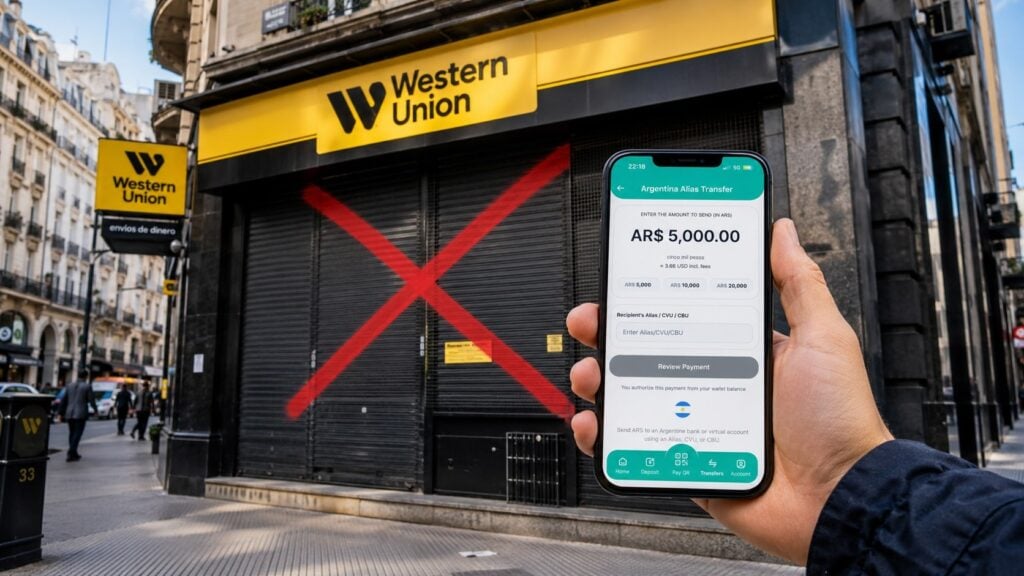


I Spent Six Weeks in Buenos Aires and Didn’t Use Cash Once

I spent six weeks in Buenos Aires and didn’t use cash once. Coffee, groceries, restaurants, taxis, tips. I paid for all of it with WanderWallet.
I’m a cofounder of WanderWallet, and this is exactly what we built it for: everyday spending abroad. In Argentina, that means giving travelers, nomads, and expats access to local QR payments and alias transfers without opening an Argentine bank account.
And Buenos Aires is a great place to use both. I even paid a couple of musicians in the subte, the city’s subway, through an alias. When you can do that, going out without banknotes starts to feel pretty normal.
TL;DR
- I spent six weeks in Buenos Aires without using cash, including for taxis and tips.
- My payments were roughly 50/50 between QR codes and alias transfers. Both were part of everyday life.
- I paid in Argentine pesos (ARS) from my US dollar (USD) balance in WanderWallet, with the dollar cost visible before I confirmed.
Roughly Half QR, Half Alias
If you’re visiting Argentina, get familiar with both payment methods. Many places let you scan a QR code, but you’ll also find plenty of situations where someone asks for a transfer.
Across my six weeks, I’d put the split at roughly 50/50. QR payments handled about half of my spending situations, and alias transfers handled the other half.
At a restaurant, cafe, or shop with a supported QR code, the routine was straightforward: open WanderWallet, scan, check the payment details, and confirm.
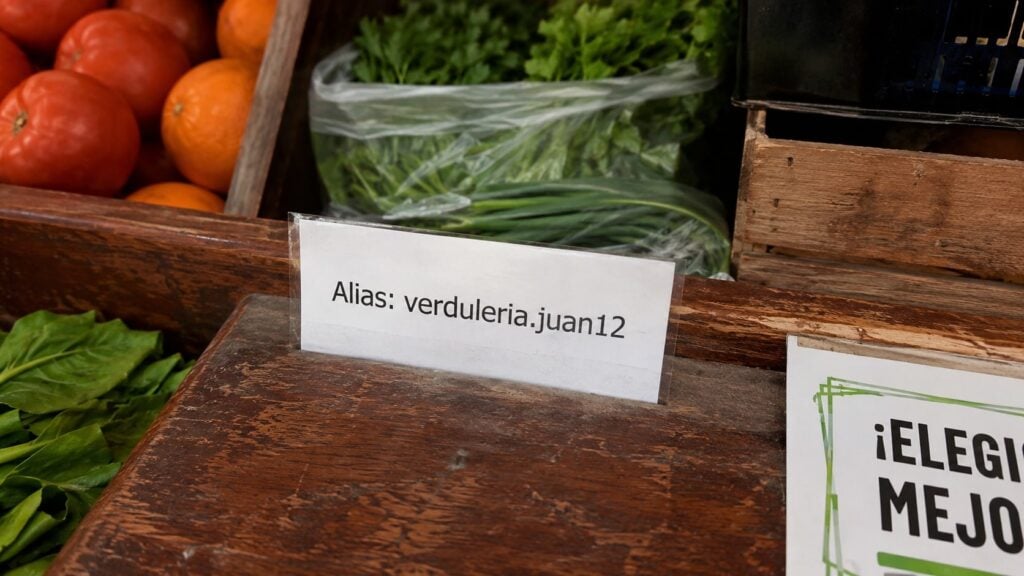
Elsewhere, someone would say “Te paso el alias”, meaning “I’ll send you the alias.”
An alias is a short, readable identifier linked to an Argentine bank or payment account. Someone gives you theirs so you can send a local transfer without entering a long account number.
I entered or pasted it into WanderWallet, checked the recipient and payment details, and confirmed. Sometimes the alias arrived over WhatsApp. Sometimes the person gave it to me in person.
This wasn’t an occasional workaround. Alias transfers were as much a part of my routine as scanning QR codes. If you’re learning how to pay locally, our guide to alias payments in Argentina is worth reading alongside the QR guide.
Taxis, Tips, and Musicians in the Subte
The payments I remember most are the ones where cash would usually come to mind first.
I paid taxi drivers by alias. I sent tips that way too. And during those six weeks, I paid a couple of musicians in the subte through WanderWallet using their aliases.
That last one really stayed with me. A small payment to someone playing music on the subway, and I didn’t need coins or a banknote. They had an alias. I could send a transfer.
From what I experienced in Buenos Aires, Argentina feels like it’s moving toward cashless everyday life, and it’s amazing to be part of that. Digital payments already fit into so many ordinary interactions.
WanderWallet let me participate in that as a foreigner. I could use the payment details people were already giving me.
Paying in Pesos, Seeing the Cost in Dollars
For both QR payments and alias transfers, I could review the amount in Argentine pesos and what it would cost from my USD balance before confirming.
My balance stayed in USD until I paid. The payment was made locally in ARS, and I knew the dollar cost when I approved it.
That made everyday spending easier to follow. Whether I was buying groceries or paying a driver, the process was familiar.
No ATM Errands, No Leftover Pesos
Over six weeks, I didn’t have to find an ATM, make time to exchange money, or decide how many pesos to carry for the day.
I didn’t need to keep small banknotes aside for tips or wonder whether I had enough cash for a taxi. And when I left, there were no leftover pesos to spend before heading home.
As someone building a product for daily life abroad, that’s the outcome I care about. Paying takes up a small part of the day, and then you get back to whatever you were doing.
Six Weeks of Paying Like a Local
For me, paying like a local meant being comfortable with both options: scan the QR or send the alias transfer. Between them, I paid for everyday life in Buenos Aires without reaching for cash once.
Planning a visit? Start with our guide to payments in Argentina for tourists to learn how to make your first local payment with WanderWallet.
Frequently Asked Questions
Do I need an Argentine bank account to use WanderWallet?
No. WanderWallet lets travelers use supported QR payments and local transfers in Argentina without opening an Argentine bank account. You need to complete WanderWallet’s identity verification and add funds before paying.
What's the difference between a QR payment and an alias transfer?
With a QR payment, you scan a code the merchant provides. With an alias transfer, you enter a short identifier linked to the recipient’s Argentine bank or payment account. WanderWallet supports both.
Can I pay tips with WanderWallet?
Yes. I paid plenty of tips through alias transfers throughout my six weeks in Buenos Aires, and I didn’t encounter anyone who wouldn’t accept that method when I asked. I even paid a couple of musicians in the subte by alias. Ask the person if they’d accept “propina por alias”, then check their details in WanderWallet before confirming.
Ready to Pay with QR in Argentina?
Download WanderWallet and start paying like a local.


About the Author

Gabriel Otero
Gabriel is the co-founder of WanderWallet. Proudly Argentinian and based in Brazil, he brings years of experience in the payment processing industry to building seamless local payment access for travelers across Latin America.