

Does Uber Work in Bolivia? Why inDrive Usually Wins (2026)
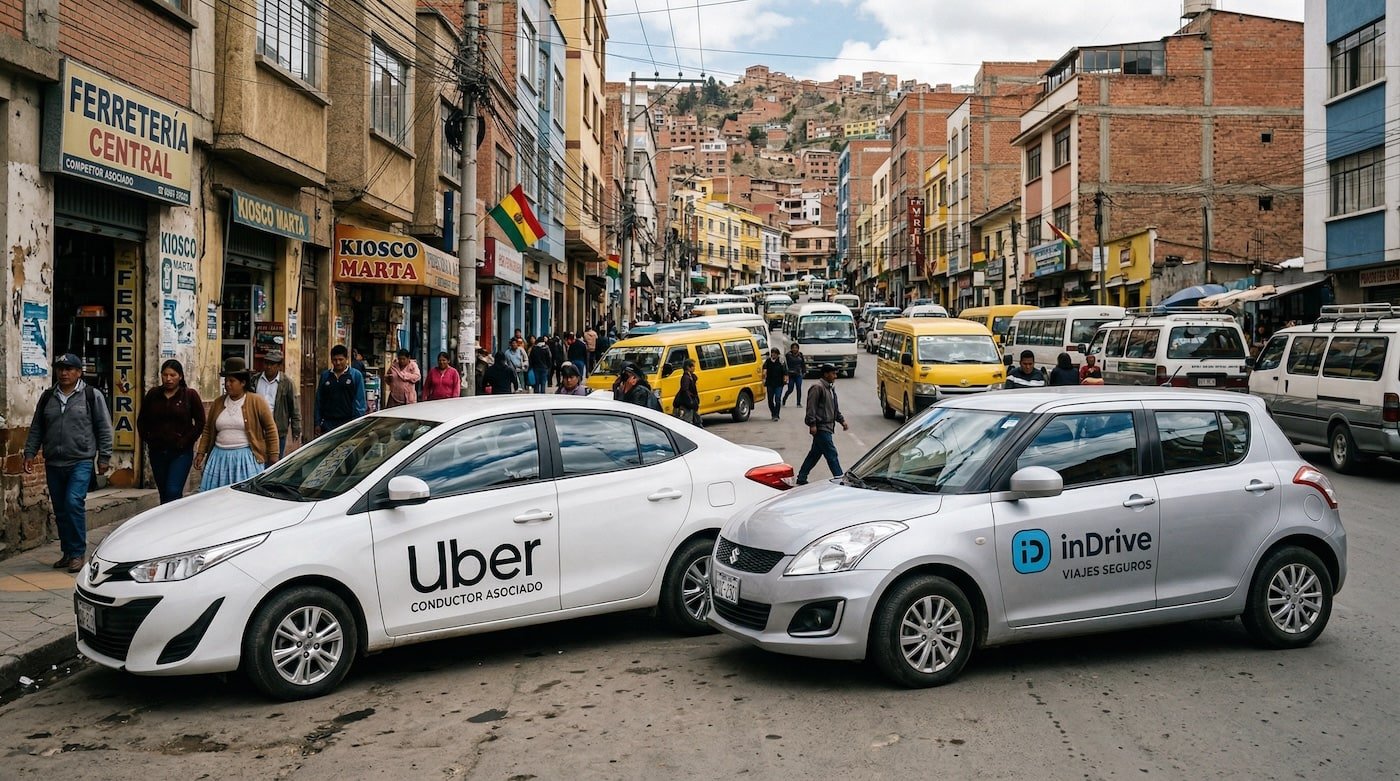
Does Uber work in Bolivia? Yes, reliably. But for most travelers, it is not the best default. In practice, many people end up using inDrive instead because it is usually cheaper, often easier to get, and much better suited to Bolivia’s QR-first payment culture.
TL;DR
- Uber does work in Bolivia, but it is not the app most travelers should rely on first.
- inDrive is often cheaper and commonly feels more aligned with how local drivers actually work.
- The real advantage is payment: many drivers can take local QR, which WanderWallet lets foreigners use without a Bolivian bank account.
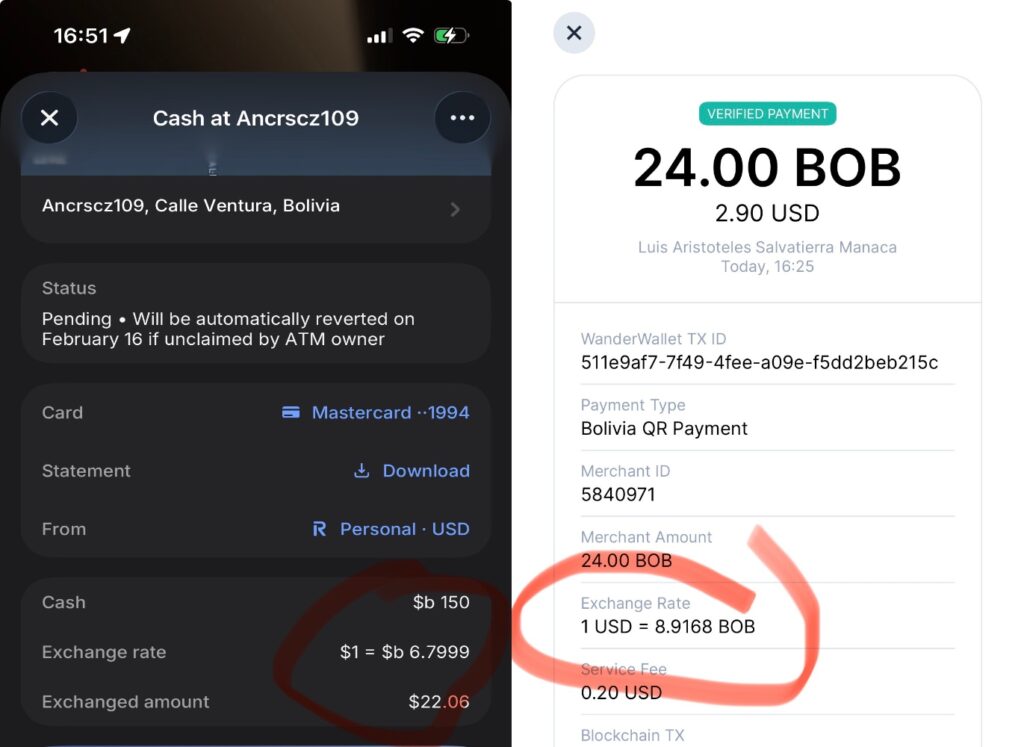
- Foreign cards and ATMs still use the official 6.96 BOB/USD rate. WanderWallet QR has recently tracked around 8.8-9.0 BOB/USD, which can mean roughly 25-30% more purchasing power.
- Best setup: keep Uber as backup, but expect inDrive plus QR to win often in Bolivia.
Does Uber Work in Bolivia?
Yes, Uber works in Bolivia. The problem is that “works” and “works best” are not the same thing. If you are landing in Santa Cruz, La Paz, or Cochabamba and just want the most practical ride option, Uber is often not the strongest default for everyday rides.
That is because Bolivia does not behave like a normal tourist card market. Travelers often end up using inDrive instead, not because Uber is fake or unavailable, but because inDrive is usually cheaper, often easier to get, and fits local payment behavior better.
If you want the broader payment context first, read How to Pay in Bolivia as a Tourist.
Why Travelers Often Use inDrive Instead
For most travelers, the decision is not really about app design. It is about what gets you a car faster, at a better price, with less payment friction. In Bolivia, that often points to inDrive.
Uber can still be useful as a backup. But on the ground, inDrive is commonly the app people reach for when they want a cheaper everyday ride and a payment flow that feels more local than card-first.
1. inDrive Is Usually Cheaper Than Uber in Bolivia
The first reason travelers switch is price. WanderWallet’s Bolivia launch-trip testing consistently found inDrive offering cheaper quotes than Uber for comparable city rides, and that matches the wider traveler pattern too. That does not mean every single ride will be dramatically cheaper, but it is a strong enough pattern that budget-conscious travelers should usually check inDrive first, not last.
And in Bolivia, price is not only about the ride fare. The payment rail matters too. If you pay through a foreign card, you are usually still stuck with the official exchange rate. If you pay locally by QR, the economics can improve again. We break that down in Bolivia’s Parallel Dollar: What Travelers Need to Know About Exchange Rates.
2. inDrive Often Fits Local Driver Behavior Better
Uber can work, but it is not always the service drivers prioritize. inDrive often feels more embedded in Bolivia’s day-to-day ride culture, which can make it easier to get moving in normal real-life situations: airport runs, short city trips, late plan changes, or quick errands.
Part of that advantage is the product itself. Instead of pure black-box matching, inDrive lets you offer a fare, adjust it if needed, and compare available drivers and cars before you choose. If pickup is slow and you want to get moving faster, you can simply raise the fare and make the ride more attractive.
It would be dishonest to claim inDrive always has more cars or always arrives faster. That depends on the city and the exact moment. But the practical traveler takeaway is still clear: if you want the option that often feels more local and more flexible, inDrive is usually the better starting point.
You see the same pattern in the wider market. Local rails tend to work better than foreign fallbacks. That showed up in WanderWallet’s field testing too, including the ride experience in I Went to Bolivia with Zero Cash. I Didn’t Need It.
3. QR Payment Is the Real Unlock
This is where the whole decision starts making more sense.
Many drivers in Bolivia are happy to accept local QR after the ride. That is not a weird traveler hack. It is normal local behavior. Drivers may show a printed QR, a screenshot, or a code inside their banking app. You scan it, enter the agreed amount in bolivianos, confirm, and show the receipt.
For foreigners, that matters because Bolivia is deeply QR-first. Card acceptance is not the main game. WanderWallet plugs you into that local flow without needing a Bolivian bank account. You fund in USD or EUR, then pay in bolivianos through the same QR infrastructure locals use.
If you have not read it yet, Bolivia Runs on QR. Tourists Can Finally Use It. explains why this matters far beyond taxis.
Why Paying by QR Beats Using a Foreign Card for Rides
There are two separate advantages.
Better Payment Acceptance
When a driver wants QR, paying by QR removes friction. You are not trying to force a foreign card workflow into a market that already moved on to something else.
Better Exchange Rate Outcome
Foreign cards and ATM withdrawals in Bolivia still use the official 6.96 BOB/USD rate. WanderWallet QR payments have recently tracked around 8.8-9.0 BOB/USD in real use. That is the real savings mechanism. You are not just choosing a cheaper ride app. You are also paying through a more favorable local rail.
If you want the broader traveler angle, read Save Up to 30 Percent on Every Purchase in Bolivia. The same math applies to rides, food, hotels, and everyday spending.
What This Looks Like in Practice
- Open inDrive, set your ride, and offer a fare in bolivianos.
- Select QR code as your preferred payment method.
- If needed, compare drivers and cars, or raise the fare to get a faster pickup.
- At the end of the trip, ask the driver for their QR, which they’ll happily share.
- Open WanderWallet, scan the driver’s QR, enter the amount, and confirm.
- Show the confirmation screen. In Bolivia, drivers and merchants may photograph or inspect that receipt screen. That is normal local flow.
This is not just theory. It matches WanderWallet’s Bolivia launch-trip testing, where using inDrive plus QR worked cleanly in real rides without needing a local bank account.
When Uber Still Makes Sense
Uber is still worth keeping installed. Some travelers prefer the familiar interface, saved locations, or the extra comfort of using a platform they already know. In some moments, Uber may also give you the better nearby match.
But if your goal is practical day-to-day optimization, not familiarity for its own sake, Uber is usually the backup in Bolivia, not the default.
Best Ride Strategy for Travelers in Bolivia
- Use inDrive as your first app for everyday rides.
- Keep Uber installed as a fallback.
- Plan to pay by QR whenever the driver offers it, because that is where the local-payment advantage usually shows up.
- Keep a small amount of cash for backup, especially during Bolivia’s nightly QR maintenance window around 23:00-00:00 local time.
That same QR-first, cash-backup setup makes Bolivia easier far beyond transport. If you are also booking travel inside the country, you will probably care about how to save on Bolivia domestic flights, where the local payment advantage can get even bigger.
Bottom Line
So, does Uber work in Bolivia? Yes. But most travelers should not treat it as the best default. In practice, many people end up using inDrive instead because it is usually cheaper, often easier to get, and far better matched to Bolivia’s QR-first payment reality.
That is exactly where WanderWallet fits. You keep your money in dollars, pay the driver in bolivianos, and move through Bolivia more like a local instead of getting stuck in the foreign-card path at 6.96.
Set up WanderWallet for Bolivia here if you want your first ride to be the easy version.
Frequently Asked Questions
Does Uber work in Bolivia?
Yes, Uber works in Bolivia, but it is often not the best default for travelers. Many people end up using inDrive instead because it is usually cheaper, often easier to get, and better suited to local QR payment.
Is Uber or inDrive better in Bolivia?
For most travelers, inDrive is usually the better option in Bolivia. Uber can still work as a backup, but inDrive is often cheaper and more aligned with how local drivers prefer to operate.
Can foreigners use inDrive in Bolivia?
Yes. Foreigners can use inDrive in Bolivia like anyone else. The bigger issue is payment, and many drivers prefer local QR or cash over relying on foreign cards.
Can I pay an inDrive driver by QR in Bolivia?
Yes. Majority of drivers in Bolivia can show a local QR code after the ride, and WanderWallet lets foreigners scan and pay that QR without needing a Bolivian bank account.
Why is QR payment better than using a foreign card in Bolivia?
Because foreign cards and ATMs usually use Bolivia’s official 6.96 BOB/USD rate, while local QR payments through WanderWallet have recently tracked much closer to market reality, around 8.8-9.0 BOB/USD. That can mean roughly 25-30% more purchasing power.
Ready to Start Paying with QRs in Bolivia?
Download WanderWallet and pay like a local.


About the Author

Milo
Milo writes about the stuff nobody tells you before you land: why your card gets declined, where cash still rules, and how to actually pay for things without getting ripped off. He's WanderWallet's resident payment nerd.