

How to Pay in Bolivia as a Tourist (2026 Guide)
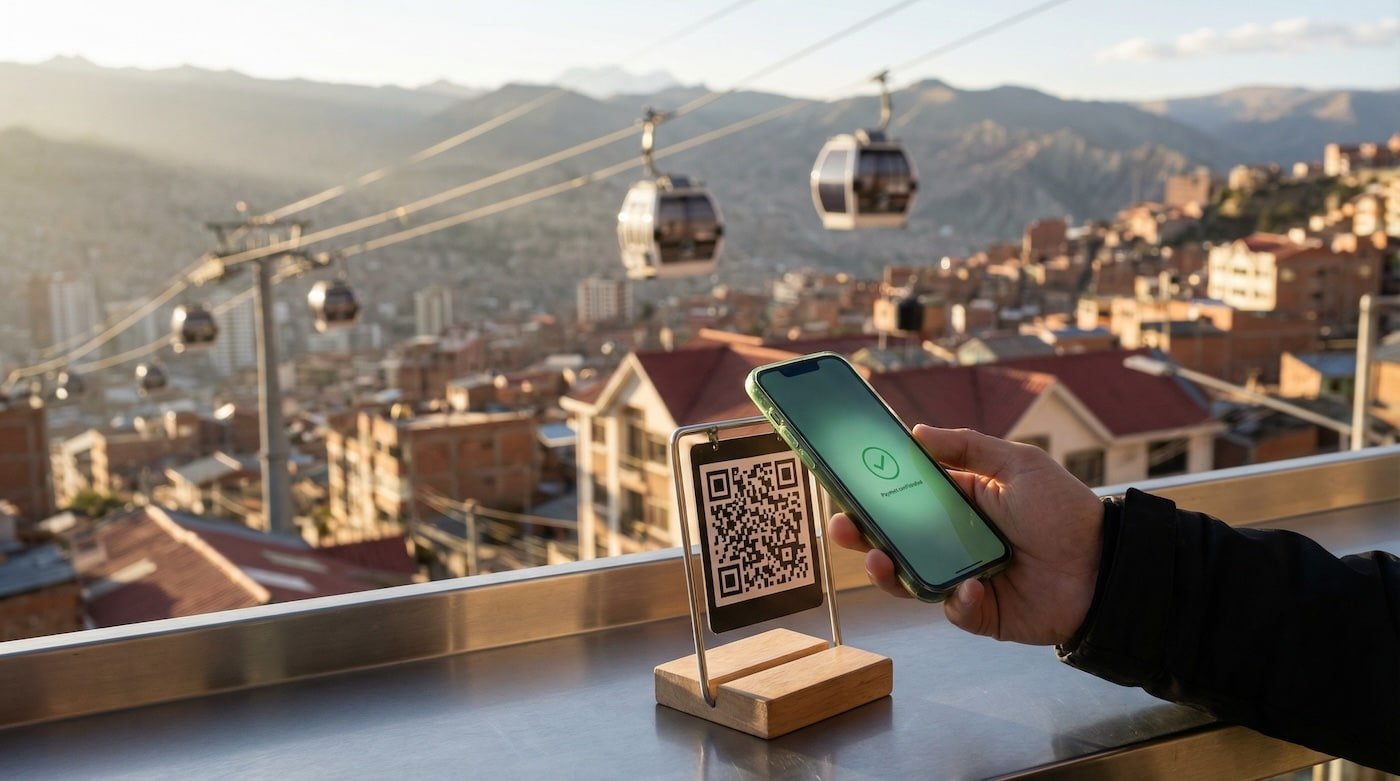
How do you pay in Bolivia as a tourist without the cash hassle or getting stuck? Go QR-first for daily spending, keep a small cash backup, and avoid relying on foreign cards and ATM withdrawals as your default. WanderWallet gives you the practical setup to pay like a local without opening a Bolivian bank account.
TL;DR
Set up WanderWallet before your trip, fund with bank deposit (EUR/USD) or USDC, scan merchant QR codes, and use cash only as backup. That is the most practical way for tourists to pay in Bolivia in 2026.
Why Paying in Bolivia Feels Different
Bolivia is a QR-first market. In many places, QR is the expected way to pay for everyday purchases, while card acceptance can be inconsistent outside larger chains and tourist-heavy spots.
If you want context on how QR adoption became dominant, read Bolivia Runs on QR. Tourists Can Finally Use It.
How To Pay in Bolivia as a Tourist (Step by Step)
- Download WanderWallet and complete verification with your passport.
- Fund your account with bank deposit (EUR/USD) or USDC.
- Open the scanner, scan the merchant QR, confirm, and pay.
- Use QR as your default for daily spending.
- Carry a small amount of cash for edge cases only.
Best Payment Mix: QR, Cash, Cards, and ATMs
QR Payments (Primary)
Best for day-to-day life: restaurants, groceries, small shops, markets, taxis, and many services. This is usually the lowest-friction option for tourists once set up. It is also the only way foreigners can pay Bolivia’s local QR codes, which most cards and bank apps can’t scan, so you skip the cash hunt entirely.
Cash (Backup)
Keep some cash for rare situations like temporary outages or specific merchants that are temporarily offline. Cash should support your plan, not be your whole plan.
Cards and ATMs (Secondary)
Useful as fallback rails, but not ideal as your main method for everyday spend in Bolivia. For ATM-specific tradeoffs, see Bolivia ATMs: Fee-Free But There’s a Catch.
Common Tourist Payment Mistakes in Bolivia
- Landing without a working QR setup.
- Using foreign cards as the default payment method.
- Carrying too much cash instead of using QR for routine spend.
- Skipping a backup plan for occasional outages.
Safety and Practical Tips
- Set up your app before arrival, not at checkout.
- Double-check merchant amount before confirming.
- Keep a modest emergency cash reserve.
- Use one clear routine: QR first, cash backup, cards/ATMs only when needed.
Exchange-Rate Context (If You Want the Deeper Why)
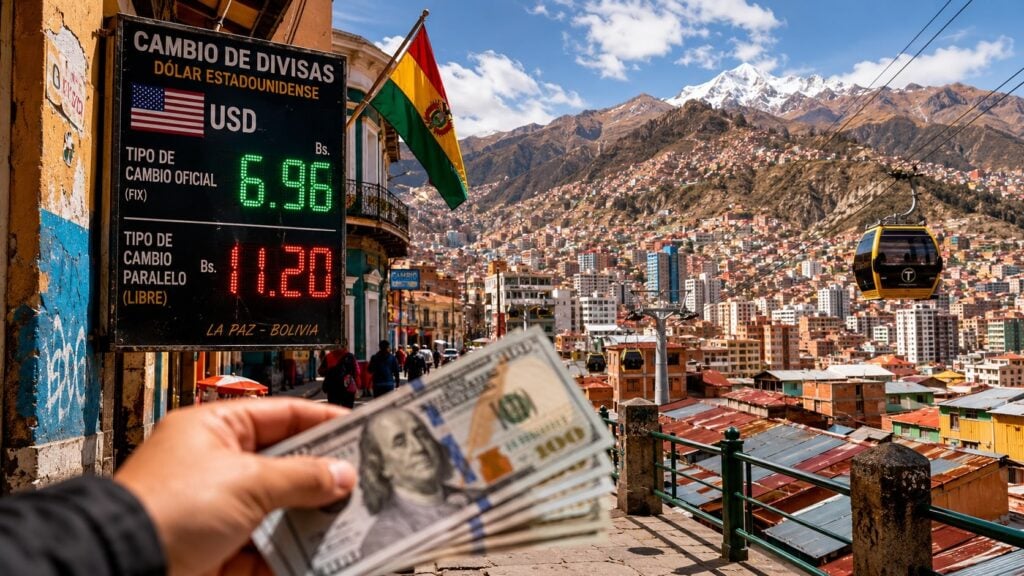
This article is the practical playbook. Bolivia floated its currency in mid-2026, which changed how cards and cash compare. For the current picture, read Bolivia’s Parallel Dollar Is Changing: What Travelers Need to Know.
Bottom Line
If your goal is simple, to pay smoothly and avoid overpaying in Bolivia, use a QR-first setup. WanderWallet is built exactly for that traveler problem: pay like a local, with a setup that actually works on the ground.
Frequently Asked Questions
Can tourists use QR payments in Bolivia without a local bank account?
Yes. With WanderWallet, tourists can pay Bolivian QR codes without opening a local bank account. Verify with your passport, fund your wallet, scan the merchant QR, and pay.
What is the best way to fund WanderWallet for Bolivia?
Use a bank deposit in EUR or USD, or USDC. Set up and fund before your trip so you can start paying by QR immediately after arrival.
Do I still need cash in Bolivia if I use QR?
QR is accepted by virtually every merchant across daily life in Bolivia, including markets and small vendors. Keep a small cash backup only for rare edge cases like temporary outages.
Why is QR the easiest way for tourists to pay in Bolivia?
QR is how Bolivia actually pays, but foreign cards and bank apps can’t scan the local codes, and cash is scarce and a hassle to carry. WanderWallet lets you use the local QR rail directly, so you pay like a local without a Bolivian bank account or a pocket full of bolivianos.
How long does a QR payment take with WanderWallet in Bolivia?
Usually a few seconds: open scanner, scan merchant QR, confirm, done. The merchant receives the payment instantly in local currency.
Ready to Start Paying with QRs or Pix?
Download WanderWallet and pay like a local.


About the Author

Milo
Milo writes about the stuff nobody tells you before you land: why your card gets declined, where cash still rules, and how to actually pay for things without getting ripped off. He's WanderWallet's resident payment nerd.