

Brazil Carnival Scams: How to Protect Your Money During the World’s Biggest Party
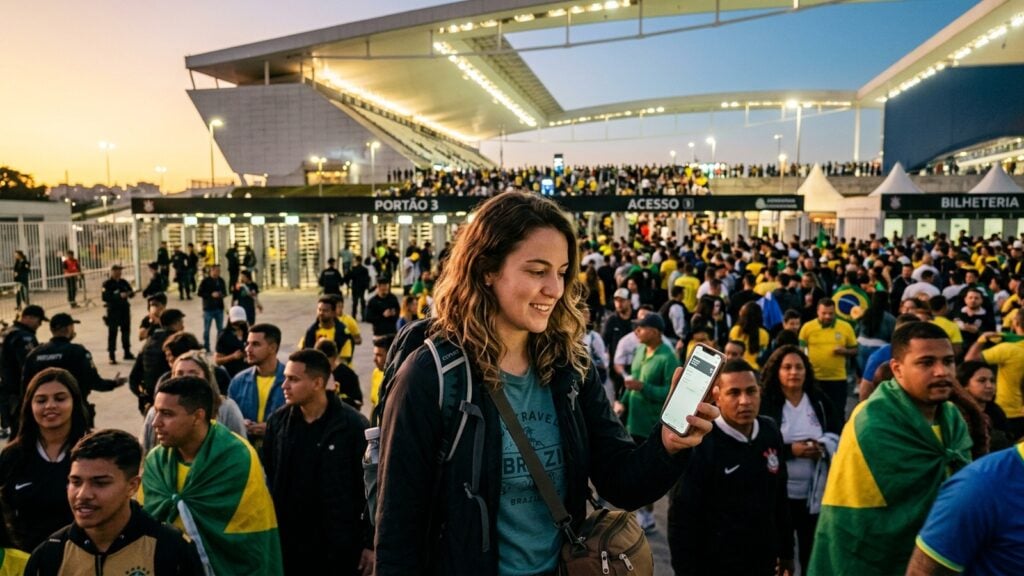
Carnival 2026 runs February 28 to March 5 in Rio de Janeiro, with street blocos starting weeks earlier. Brazil’s Carnival is one of the world’s most exhilarating experiences. The pulsing samba rhythms, elaborate costumes, and electric street parties draw millions of visitors every year. But amidst the celebration, scammers specifically target tourists who are distracted, unfamiliar with local customs, and carrying unfamiliar payment methods.
The good news? Most Carnival scams are completely avoidable once you know what to watch for. This guide covers the real payment scams tourists encounter in Brazil, based on actual reports from travelers, and practical tips to protect yourself while enjoying everything Carnival has to offer.
TL;DR
The #1 Carnival scam is the broken card machine trick, where vendors charge your card 10-100x the quoted price on machines with damaged displays. Protect yourself by using Pix (Brazil’s instant payment system) instead of cards. Apps like WanderWallet let tourists use Pix without a Brazilian bank account.
The Real Payment Scams Targeting Tourists in Brazil
Payment scams in Brazil aren’t urban legends. They’re documented problems that affect thousands of tourists each year. Here’s what you need to know:
The Broken Card Machine Scam
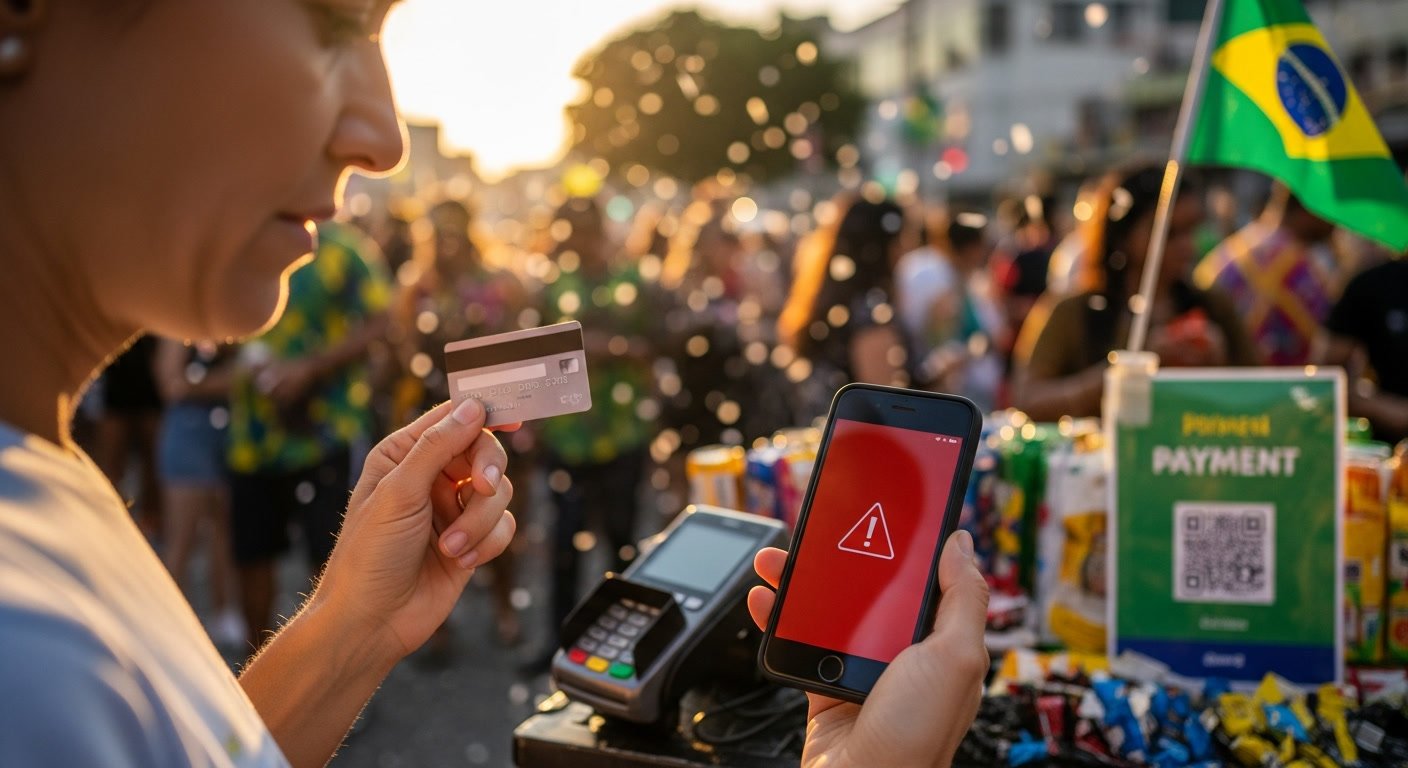
This is the most common payment scam tourists face in Brazil, especially in beach areas like Copacabana and Ipanema. Here’s how it works:
- A vendor (often at beach kiosks, street stalls, or even restaurants) hands you a card terminal with a cracked, broken, or obscured display
- They tell you the amount verbally: “50 reais”
- You enter your PIN without being able to verify the actual amount on screen
- Later, you discover you were charged R$500, R$1,000, or even more
Some scammers claim the machine “isn’t working” on the first attempt, then run your card again on a different terminal, charging you twice at inflated amounts. By the time you check your statement, you’re already somewhere else.
Why tourists are vulnerable: International cards often don’t require PIN verification for smaller amounts, and many tourists don’t immediately check their statements while traveling.
ATM Skimming and Express Kidnapping
Brazil has a documented problem with ATM-related crimes:
- Skimming devices attached to ATMs copy your card information. These are most common on street-facing ATMs and machines in tourist areas
- Shoulder surfing: someone watches you enter your PIN, then steals your card
- Express kidnapping: in more serious cases, criminals force victims to withdraw maximum amounts from multiple ATMs
The US State Department, UK Foreign Office, and Australian Smartraveller all specifically warn travelers about ATM safety in Brazil.
Cash Robbery Risk
Carrying large amounts of cash creates its own problems:
- Carnival crowds are prime territory for pickpockets. Phone and wallet theft spike dramatically during the festival
- Security reports show theft increased 12% in Rio from 2023 to 2024, with Carnival events particularly targeted
- If you’re visibly withdrawing or carrying cash, you become a target
Many travelers think “I’ll just use cash to avoid card scams,” but this trades one risk for another.
Overcharging and Price Manipulation
Beyond outright scams, tourists routinely face:
- Street vendors charging 2-3x normal prices once they identify you as foreign
- Taxi drivers using “broken” meters or taking longer routes
- Beach vendors demanding payment for “free” items like bracelets or photos
During Carnival, when crowds are massive and everyone’s distracted, these tactics intensify.
Scam Hotspots: Where Tourists Get Targeted
Knowing where scams concentrate helps you stay alert:
- Copacabana and Ipanema beach kiosks – Ground zero for the broken card machine scam
- Lapa street parties – Crowded, chaotic, prime pickpocket territory
- Sambadrome surroundings – Vendors targeting tourists before and after parades
- Centro and tourist areas – Street-facing ATMs, aggressive money changers
- Airport arrivals – Terrible exchange rates, taxi overcharging
Why Traditional Tourist Payment Methods Fall Short
The payment options most tourists rely on each have vulnerabilities in Brazil:
Payment Method Comparison
| Payment Method | Scam Risk | Fees | Exchange Rate | Theft Risk |
|---|---|---|---|---|
| Credit/Debit Card | 🔴 High (broken display scam) | 3-5% foreign transaction | Good to poor | Medium (skimming) |
| Cash (USD/Reais) | 🟡 Medium (counterfeits) | 10-15% at exchanges | Very poor | 🔴 High (robbery) |
| ATM Withdrawal | 🔴 High (skimming) | $5+ per withdrawal | Good to poor | High (express kidnapping) |
| Pix (via WanderWallet) | 🟢 Low (you verify) | Transparent, low | Great | 🟢 Low (no cash/card) |
Credit/Debit Cards
- Vulnerable to the broken display scam, since you can’t verify amounts on damaged machines
- International transaction fees or additional merchant fees can add 3-5% to every purchase
- Card details can be skimmed or copied
- Disputed charges from abroad are difficult to resolve
Cash (USD or Reais)
- Makes you a target for theft, especially in crowds
- Airport/hotel exchange rates are typically terrible (10-15% worse than market rate)
- Counterfeit bills exist. Street money changers may give you fake notes
- Once it’s gone, it’s gone
ATM Withdrawals
- Skimming risk at street-facing machines
- High foreign ATM fees (typically $5+ per withdrawal)
- Poor exchange rates from your home bank
- Daily withdrawal limits may leave you short
How Pix Changes the Game for Tourists
Pix is Brazil’s instant payment system, and it’s transformed how Brazilians pay for everything. Over 150 million people use it, and it’s accepted virtually everywhere: restaurants, taxis, street vendors, markets, and yes, Carnival blocos. For a complete overview, see our guide to Pix for Foreigners.
Here’s why Pix eliminates most payment scams:
You Control the Transaction
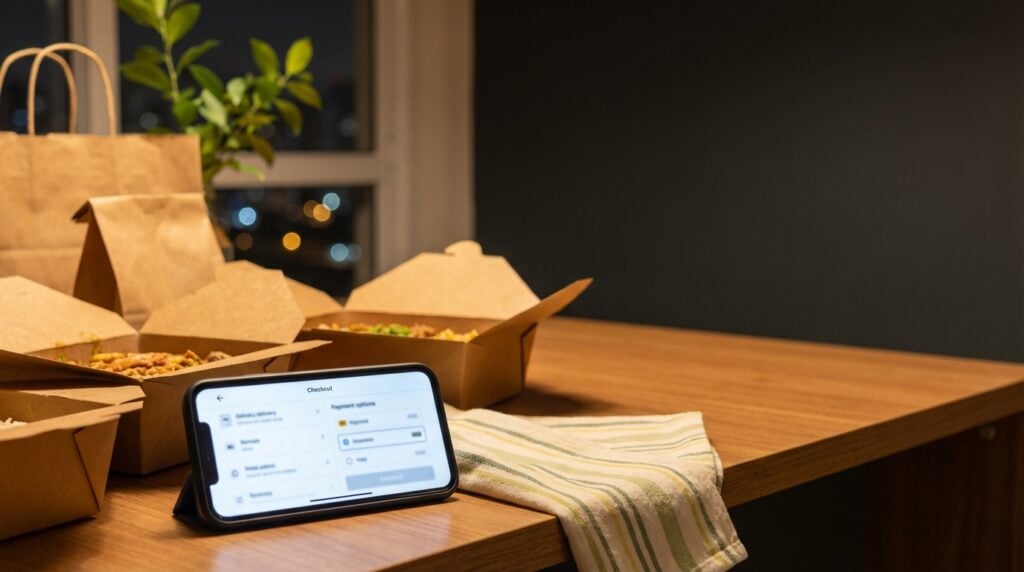
With Pix, you scan a QR code and see the exact amount on your own phone before confirming. No broken displays. No verbal “trust me” amounts. You approve the payment yourself.
No Card to Clone or Skim
There’s no physical card involved. No magnetic stripe to copy. No chip to compromise. The transaction happens phone-to-phone.
Instant Confirmation
Both you and the merchant see the payment confirm in seconds. No “the machine is slow” excuses for running your card multiple times.
Real Exchange Rates
Instead of tourist-trap currency exchange or your bank’s inflated rates, you get transparent market rates at the moment of payment.
Using Pix as a Foreigner (Yes, It’s Possible)
Until recently, Pix was only available to people with Brazilian bank accounts, which tourists obviously don’t have. That’s changed.
Apps like WanderWallet let you pay with Pix without a Brazilian bank account:
- Download the app and verify your identity
- Add funds from your bank account or Revolut
- Scan any Pix QR code in Brazil
- Confirm the amount on your screen and pay
You hold your balance in stable USD. When you pay, it converts to reais at the exact moment of the transaction, at real exchange rates, not tourist rates. Learn more in our complete guide to Money and Pix for Foreigners in Brazil.
The key benefit for Carnival safety: you verify every transaction on your own device before it happens. No handing over cards. No trusting broken screens. No carrying wads of cash.
⚠️ Real Story (January 2026)
An Argentinian tourist paid R$20,000 (over $3,500 USD) for a single ear of corn on Copacabana beach during Carnival season. How? She let the vendor “help” her make the Pix payment on her phone. The lesson: always enter the amount yourself and verify before confirming. With apps like WanderWallet, you see the exact amount in USD on your screen and confirm with Face ID. No one else touches your phone.
Practical Safety Tips for Carnival Payments
Whether or not you use Pix, these habits will protect you:
Before You Go
- Set up Pix access: download an app that supports it before you arrive
- Notify your bank of travel dates to prevent card blocks
- Enable transaction alerts on all cards so you catch unauthorized charges immediately
- Photograph your cards (front only, no CVV) in case they’re stolen and you need the numbers
During Carnival
- Never use a card machine with a damaged display: insist on seeing the amount or walk away
- If paying by card, watch the entire transaction and verify the receipt matches what you agreed
- Use ATMs inside banks, not street-facing machines, and only during daylight hours
- Carry minimal cash: just enough for emergencies
- Keep your phone secure: use a lanyard or keep it in a front pocket. Phone theft is rampant at blocos
- Ask prices before ordering: vendors often quote different prices once they know you’re foreign
If Something Goes Wrong
- Check your statements daily during your trip
- Report suspicious charges immediately: the sooner you dispute, the better
- File a police report (B.O.) for theft. You’ll need it for insurance claims
- Keep your bank’s international phone number accessible (not just in your phone, which might get stolen)
The Bottom Line: Carnival is Worth It, Just Be Smart
Don’t let fear of scams keep you from experiencing Carnival. Millions of tourists visit Brazil every year and have incredible, trouble-free experiences. The scams documented here are avoidable with basic awareness.
The simplest protection? Pay like a local. Brazilians don’t hand their cards to strangers or carry large amounts of cash. They use Pix. When you pay the same way, you eliminate most of the vulnerabilities that scammers exploit.
Stay aware, keep your valuables secure, verify every transaction yourself, and enjoy the greatest party on Earth.
Frequently Asked Questions
What is the most common payment scam tourists face in Brazil?
The broken card machine scam is the most common. Scammers use card terminals with damaged or obscured displays, tell you one amount verbally, but charge a much higher amount. Always refuse to use any card machine where you cannot clearly see the transaction amount on the display.
Is it safe to use ATMs in Brazil during Carnival?
Use ATMs inside banks or shopping malls, never street-facing machines. Go during daylight hours with a friend if possible. Skimming devices and express kidnappings are documented risks. Consider using digital payment methods like Pix to avoid ATM use entirely.
Can tourists use Pix in Brazil without a Brazilian bank account?
Yes. Apps like WanderWallet allow tourists to pay with Pix by scanning QR codes, without needing a local bank account. You load funds in USD and they convert to Brazilian reais at the moment of payment at real exchange rates.
Should I carry cash or use cards at Carnival?
Neither is ideal. Cash makes you a target for pickpockets (theft increases dramatically during Carnival), while cards are vulnerable to the broken display scam and skimming. Using Pix via your phone is the safest option—you control and verify every transaction yourself.
What should I do if I get scammed in Brazil?
Check your bank statements daily while traveling. Report suspicious charges to your bank immediately—the sooner you dispute, the better your chances of recovery. For theft, file a police report (called a B.O. in Brazil) which you will need for insurance claims.
Ready to Pay Like a Local at Carnival?
Set up WanderWallet before you go. Add funds in USD, pay with Pix anywhere in Brazil. No Brazilian bank account needed.


About the Author

Milo
Milo writes about the stuff nobody tells you before you land: why your card gets declined, where cash still rules, and how to actually pay for things without getting ripped off. He's WanderWallet's resident payment nerd.