

Moving to Bolivia? Solve Payments and Residency in Parallel

If you are moving to Bolivia for more than a short trip, two separate problems show up fast: how to pay locally without depending on cash or foreign cards, and how to handle residency paperwork without improvising your way through the process. WanderWallet solves the payments side. Our residency partner Plan Bolivia handles the legal and relocation side.
TL;DR
This is a practical partnership, not a generic referral. WanderWallet helps foreigners pay like locals in Bolivia from day one, while Plan Bolivia helps eligible clients navigate residency and relocation support on the ground. If you are planning to stay longer than a tourist visit, the useful setup is to solve both tracks in parallel.
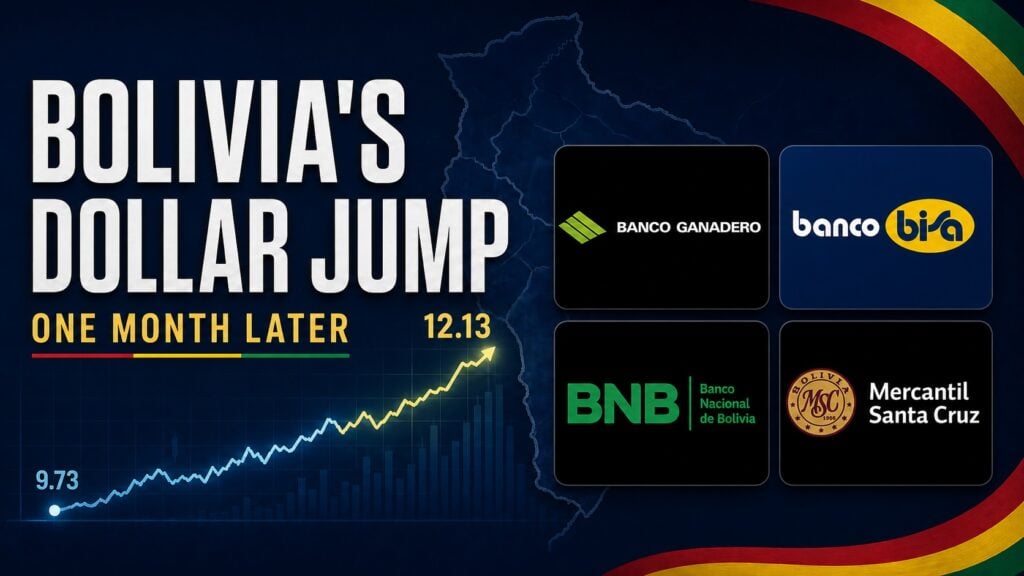
If you want the payments background first, start with WanderWallet in Bolivia, How to Pay in Bolivia as a Tourist, and Bolivia’s Parallel Dollar Is Changing. This article is about the next layer: what happens when a short stay starts turning into a real move.
Why We Added a Residency Partner
WanderWallet is built for a specific problem: you are already in Bolivia and you need to pay like a local without waiting for a Bolivian bank account. That solves a real pain point, but it does not solve everything. Once users start talking about staying longer, the next question is usually legal rather than financial: how do I actually remain in the country in a structured way?
That is the gap this partnership is meant to close. We handle the payment layer. Plan Bolivia handles the residency and relocation process. The point is not to turn WanderWallet into a legal-service brand. The point is to stop sending users into Bolivia’s paperwork maze without a trusted specialist.
What Plan Bolivia Handles
Plan Bolivia is a Bolivia-focused residency and relocation advisory working in La Paz and Santa Cruz. Their role is the legal and operational side of a longer stay: eligibility review, process planning, document guidance, local coordination, lawyer handling, appointments, and follow-through.
That matters because residency is not just one form. It is a sequence. Even when Bolivia is more straightforward than many other jurisdictions, someone still has to coordinate the filing path, the local paperwork, and the institutional follow-up. Plan Bolivia’s value is that they specialize in exactly that process instead of offering generic “move abroad” advice.
Important boundary: WanderWallet is not giving immigration or legal advice here. The residency service is provided by Plan Bolivia and its local legal network, not by WanderWallet itself.
Where WanderWallet Fits During the Transition
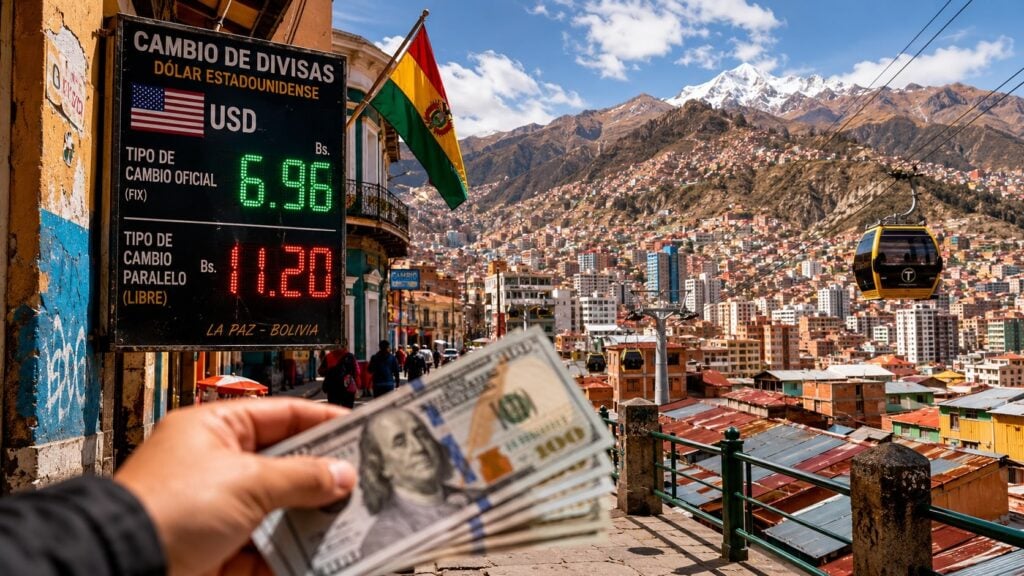
The residency process does not eliminate the daily-life problem. Before a foreigner has local banking fully set up, they still need to pay rent, buy groceries, order rides, eat out, and generally function. In Bolivia, those day-to-day payments are where the exchange-rate problem hurts most.
Bolivia runs on QR, but foreign cards and bank apps cannot scan the local codes, and physical cash is scarce. WanderWallet gives foreigners access to the local QR payment layer before they have a Bolivian bank account, so you can pay rent, groceries, rides, and restaurants like a local from day one instead of living on cash withdrawals and foreign-card fees while residency is in progress.
In practice, that means you can arrive with your payment setup already working while your residency support is being handled in parallel. If you need the funding basics first, see How to Deposit Money into WanderWallet.
Why Solving Both Tracks in Parallel Matters
Without this combination, the experience is messy. People arrive, overpay on cards or spend time sourcing cash, then separately try to find trustworthy residency help after landing. Those are two different frictions, but they stack on top of each other fast.
With the partnership, the stack is cleaner. WanderWallet covers daily payments from day one. Plan Bolivia handles the residency side from the moment the client is ready to start the process. The result is not that Bolivia becomes frictionless overnight. The result is that the two biggest foreigner problems, payments and paperwork, stop competing for attention at the same time.
Who This Is For
- Remote workers and long-stay travelers who are moving past the tourist phase
- Founders, operators, and independent professionals looking at Bolivia as a base
- Families or couples relocating for cost-of-living or lifestyle reasons
- Anyone who wants the residency process handled by a specialist while daily payments already work locally
If you only need to pay in Bolivia, WanderWallet is enough. If you are trying to build a longer-term legal footing as well, that is where Plan Bolivia becomes relevant.
How To Get Started
- Set up WanderWallet before you fly so your payment layer is ready on arrival.
- Use the Bolivia payment guides to understand the local QR and exchange-rate setup.
- If you are serious about staying longer, book a consultation with Plan Bolivia to map the residency path that fits your situation.
- Handle payments and paperwork in parallel instead of solving them one after the other under pressure.
Bottom Line
This partnership exists because a real Bolivia move usually breaks into two separate tasks: paying locally and staying legally. WanderWallet is the payment layer. Plan Bolivia is the residency partner. Keeping those roles clean is exactly what makes the combination useful.
If you are still in the research phase, start with the Bolivia overview. If you already know you want more than a short visit, this is the practical path: solve the payment rail early, and use a local specialist for the residency process.
Frequently Asked Questions
Does WanderWallet provide residency or legal advice in Bolivia?
No. WanderWallet handles the payments side. Residency support is provided by Plan Bolivia and its local legal network.
Why use WanderWallet before opening a Bolivian bank account?
Because foreigners often need to pay locally before local banking is set up. WanderWallet gives access to Bolivia’s QR payment layer during that transition.
Can I start using WanderWallet while my residency process is still in progress?
Yes. That is one of the main reasons this setup is useful. Payments and residency can be handled in parallel instead of one after the other.
Who is Plan Bolivia best suited for?
People who want to stay in Bolivia beyond a short tourist visit and want structured, on-the-ground help with residency and relocation.
Do I need residency to use WanderWallet in Bolivia?
No. WanderWallet is specifically useful before you have local banking or residency fully in place.
Ready to Start Paying with QRs or Pix?
Download WanderWallet and pay like a local.


About the Author

Milo
Milo writes about the stuff nobody tells you before you land: why your card gets declined, where cash still rules, and how to actually pay for things without getting ripped off. He's WanderWallet's resident payment nerd.