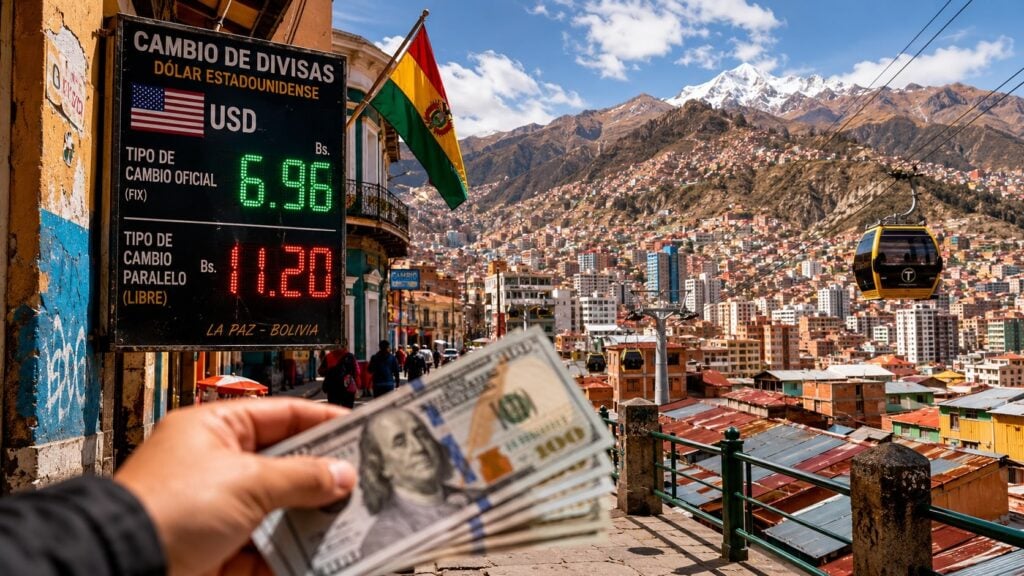


La Paz Altitude Guide: How to Avoid Feeling Terrible on Arrival
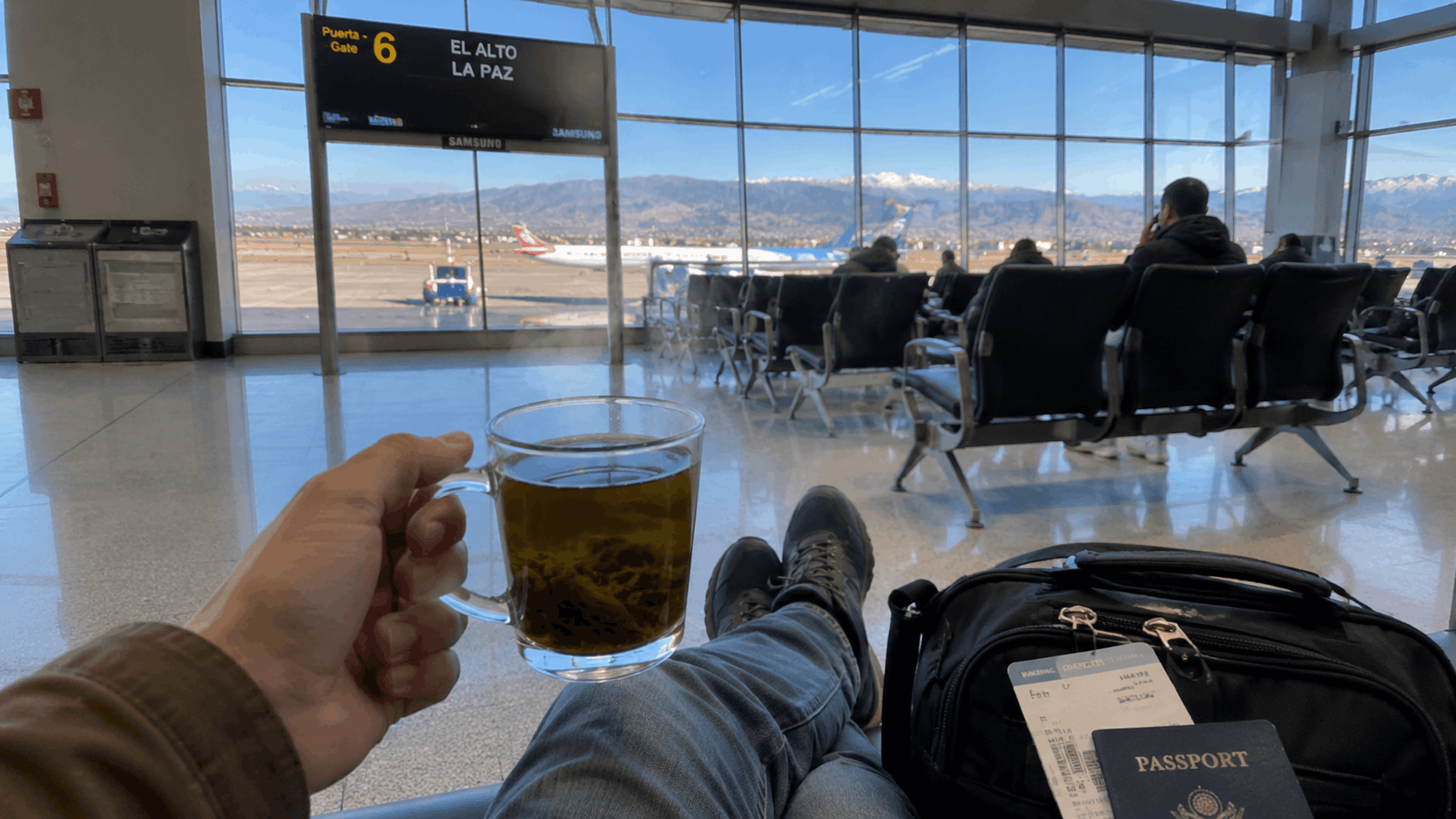
La Paz sits high enough that altitude can shape your first 24 hours more than your itinerary. The city itself is around 3,600 meters, and many travelers arrive through El Alto International Airport, which NAABOL lists as the airport serving La Paz and which sits above 4,000 meters.
TL;DR:
- Plan your first day in La Paz like a recovery day, not a sightseeing sprint.
- Arrive hydrated, eat light, and avoid alcohol and hard exercise for the first 48 hours.
- Do not go higher if you have altitude symptoms that are not improving.
- Head lower and seek medical help for confusion, loss of coordination, severe shortness of breath, or worsening symptoms at rest.
- If you can, build your Bolivia route from lower places to higher places instead of flying straight into La Paz and rushing to Uyuni.
Why La Paz Hits So Hard
Altitude illness becomes a real risk above 8,000 feet, according to the CDC. La Paz is well above that threshold, and El Alto airport is even higher, so the first thing many travelers feel in Bolivia is not the city. It is the thin air.
That does not mean La Paz is unsafe for most visitors. It means your first day should be designed around acclimatization. The mistake is landing, dropping bags, drinking, climbing stairs, booking a walking tour, and then wondering why a mild headache turned into a miserable evening.
The practical version: assume you will be slower than usual for a day or two. If you feel fine, great. If you do not, you have already built in room to recover.
What Altitude Sickness Feels Like
Mild acute mountain sickness often feels like a bad hangover without the fun part. The CDC lists common symptoms including headache, tiredness, loss of appetite, nausea, and vomiting.
In La Paz, travelers often notice it during small efforts: carrying luggage upstairs, walking uphill in Sopocachi, rushing through the airport, or trying to do too much after an overnight flight. Breathlessness during effort is common at altitude. What matters is whether symptoms are mild and improving, or getting worse even while resting.
What To Do Before You Arrive
If your route is flexible, ascend gradually. The CDC advises avoiding travel from low elevation to above 9,000 feet in one day when possible, and spending time around 8,000 to 9,000 feet before going higher. Bolivia itineraries do not always make that easy, but you can still use the principle.
A gentler route might start in Santa Cruz, Sucre, or Cochabamba before La Paz, then continue to Uyuni or Potosi after you have adjusted. A harder route is flying from sea level into El Alto, sleeping in La Paz, and leaving for Uyuni or a high-altitude trek the next morning.
If you have heart disease, lung disease, diabetes, pregnancy, sickle cell disease, severe pulmonary hypertension, or another condition that could be affected by altitude, talk to a clinician before the trip. The CDC specifically recommends medical advice for several pre-existing conditions before high-elevation travel.
Your First 24 Hours In La Paz
The best first day in La Paz is deliberately boring. Check in, eat something simple, drink water, and keep your plans close to your accommodation.
Do This On Arrival Day
- Move slowly at the airport and avoid hauling bags uphill if you can pay for help or a direct transfer.
- Choose a lower-stress neighborhood base if possible. Sopocachi and Zona Sur are easier for many first-timers than trying to sleep right beside the airport in El Alto.
- Eat lighter than usual. Heavy meals can feel worse when your appetite is already off.
- Skip alcohol for the first 48 hours. The CDC also advises avoiding heavy exercise during that window.
- Keep the first evening simple: dinner near the hotel, a short walk, and sleep.
Do Not Plan This For Day One
- Death Road cycling.
- Huayna Potosi, Chacaltaya, or other high-altitude excursions.
- A late-night bar crawl.
- A tight bus connection to Uyuni with no recovery buffer.
- A full-day walking tour that ignores how steep La Paz can feel.
If you need to move around the city, keep logistics simple. Our guide to whether Uber works in Bolivia can help you choose between ride apps, taxis, and local transport without turning your first day into a negotiation.
Coca Tea, Hydration, And Medication
Coca tea is common in Bolivia and many hotels offer it to arriving guests. Some travelers find it comforting, but it is not a guaranteed prevention or treatment plan for altitude illness. Treat it as a local comfort, not a medical shield.
Hydration helps, but overdoing water is not the goal either. Drink steadily, eat, and avoid alcohol. If you are considering acetazolamide or another altitude medication, ask a doctor before your trip. The CDC notes that medicines can help prevent acute mountain sickness and shorten acclimatization time, but the right choice depends on your medical history and itinerary.
Bring enough prescription medication for your trip and keep the prescription with you. The UK FCDO notes that some medications can be in short supply in Bolivia, and that travelers should have appropriate insurance and funds for medical care.
When To Rest, When To Descend, And When To Get Help
Mild symptoms can improve with rest, hydration, food, and time. The key rule is simple: do not go higher while you still have symptoms. If your symptoms get worse while resting, descend to a lower elevation.
Get urgent help if someone has confusion, extreme drowsiness, loss of coordination, severe weakness, shortness of breath at rest, or a worsening cough. The CDC describes high-altitude cerebral edema and high-altitude pulmonary edema as rare but potentially life-threatening conditions that require immediate descent and medical care.
Bolivia’s emergency ambulance number is 118, according to the UK FCDO. In remote areas, medical response can be limited, so this is also a reason to keep good travel insurance and avoid pushing into remote high-altitude plans while you are still adjusting.
How To Build A Smarter Bolivia Route
For many first-time visitors, the issue is not La Paz alone. It is stacking La Paz, Uyuni, Potosi, Lake Titicaca, and mountain activities without enough recovery time.
If you fly directly into El Alto, give yourself at least one calm night in La Paz before moving higher or taking a long overnight bus. If you are coming from lower Bolivia, consider building upward: Santa Cruz or Sucre first, La Paz next, then Uyuni. If you are coming from Peru’s highlands, you may already be partly acclimatized, but do not assume that makes you immune.
For transport planning after you have adjusted, our guide to Bolivia domestic flights explains when flying can save time compared with long overland routes. For money logistics after the health basics are covered, start with how tourists can pay in Bolivia or the broader Bolivia guide.
A Simple La Paz Altitude Plan
| Trip Moment | Best Move | Why It Helps |
|---|---|---|
| Before booking | Avoid a high-effort first day | Your body may need 24-48 hours to adjust. |
| Arrival day | Check in, eat light, skip alcohol | Reduces avoidable stress while symptoms are most likely. |
| First full day | Do easy city activities | Lets you test how you feel without committing to a remote plan. |
| If symptoms appear | Rest and do not go higher | Going higher can make altitude illness worse. |
| If symptoms worsen at rest | Descend and seek medical help | Worsening symptoms can become serious quickly. |
Bottom Line
La Paz is worth the effort, but the altitude deserves respect. Build your first 24 hours around acclimatization, keep your route flexible, and treat warning signs seriously. The travelers who enjoy La Paz most are often the ones who do less on day one.
Sources
Frequently Asked Questions
How long does it take to acclimatize in La Paz?
Many travelers feel noticeably better after 24 to 48 hours, but acclimatization varies. Keep your first day light and avoid going higher until symptoms are gone.
Is it normal to feel short of breath in La Paz?
Some breathlessness during effort is common at La Paz altitude. Shortness of breath at rest, confusion, loss of coordination, or symptoms that worsen while resting are warning signs and need urgent attention.
Should I take altitude sickness pills before La Paz?
Ask a doctor before your trip. The CDC says medicines can help prevent acute mountain sickness for some travelers, but the right choice depends on your health history and itinerary.
Is coca tea enough for altitude sickness in Bolivia?
No. Coca tea is common and may feel comforting, but it is not a guaranteed prevention or treatment. Rest, gradual ascent, avoiding alcohol, and knowing when to descend matter more.
Should I go straight from La Paz to Uyuni?
It is possible, but it can be rough if you just arrived from low elevation. A calmer plan is to spend at least one night adjusting in La Paz before continuing to Uyuni or other high-altitude stops.
Ready to Start Paying with QRs or Pix?
Download WanderWallet and pay like a local.