

How Foreigners Can Pay in Bolivia (2026): QR, Cash, Cards
In Bolivia, almost everyone pays by QR. The catch for visitors is access: a merchant can show you a QR code, but foreign cards and bank apps can’t scan Bolivia’s local QR rail. WanderWallet can. You fund your wallet with dollars or euros, scan the same codes locals use, and see the exact cost before you confirm, all without a Bolivian bank account.
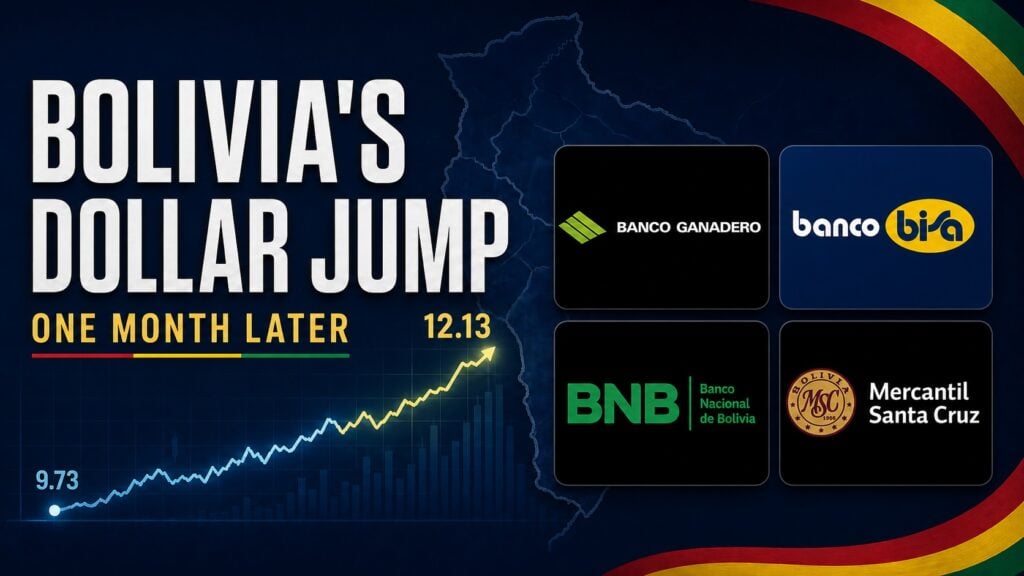
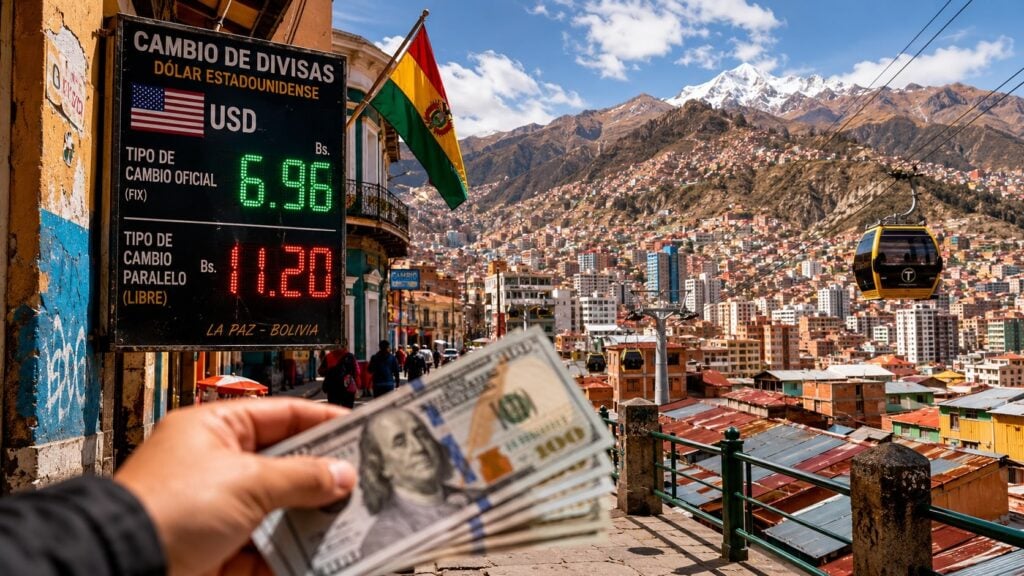
One thing has changed recently. Bolivia floated its currency in late June 2026, ending the fixed 6.96 BOB/USD official rate, so the old penalty that made foreign cards far more expensive has largely closed. Cards convert at a fairer rate now. What has not changed is the access problem, the cash scarcity, and the fees. That is what this guide is really about.
TL;DR
Foreigners can pay in Bolivia four ways: local QR, cash, cards, or ATMs. QR is how the country actually pays, but foreign cards and bank apps can’t scan it, and WanderWallet bridges that gap. Since Bolivia floated its currency in mid-2026, cards convert at a fairer rate than before, so the case for QR is now about access and convenience, not a rate gap. Keep a small cash backup, and check the live rate in the app before larger payments.
This guide is the practical foreigner-payment explainer: when to use QR, when to keep cash, when cards still make sense, and why ATMs are a fallback instead of a strategy. If you want the wider country playbook first, start with How to Pay in Bolivia as a Tourist.
Why Bolivia Payment Advice Feels Backwards
Most Bolivia money advice was written for the old fixed-rate era, when the official rate sat far below the street market and the smart move was to bring crisp US dollars and hunt for exchange houses. That gap has largely closed since the float, so the advice that defined Bolivia travel for years is now stale.
Two things still make Bolivia different from a card-first country. First, it runs on QR that foreigners normally cannot use. Second, physical cash is genuinely scarce, and ATMs are unreliable and often empty. So the real question is not which rail gives you a secret rate. It is how you pay like a local without carrying cash or opening a Bolivian bank account.
What QR Simple Is, and Why Foreigners Get Blocked
QR Simple is Bolivia’s interoperable local QR rail. In plain English, it is the shared payment standard that banks, wallets, and merchants already use across normal daily commerce. That is why QR feels ordinary in Bolivia at cafes, restaurants, pharmacies, supermarkets, taxis, convenience stores, and many hotels.
The merchant can accept QR. The traveler usually cannot send it. That is the real access problem. Direct QR Simple use normally assumes a Bolivian bank or wallet relationship, which most short-term visitors do not have and do not want to open just to pay for lunch or a hotel bill. WanderWallet bridges that access gap without turning the trip into a local-banking project.
Your Four Real Payment Options in Bolivia
| Method | What to Know | Where It Fits | Verdict |
|---|---|---|---|
| Local QR (WanderWallet) | The reliable way foreigners can use Bolivia’s local QR rail. Live rate shown before you pay. | Everyday QR merchants across Bolivia | The cleanest way to pay like a local without a Bolivian bank account or a pocket full of cash. |
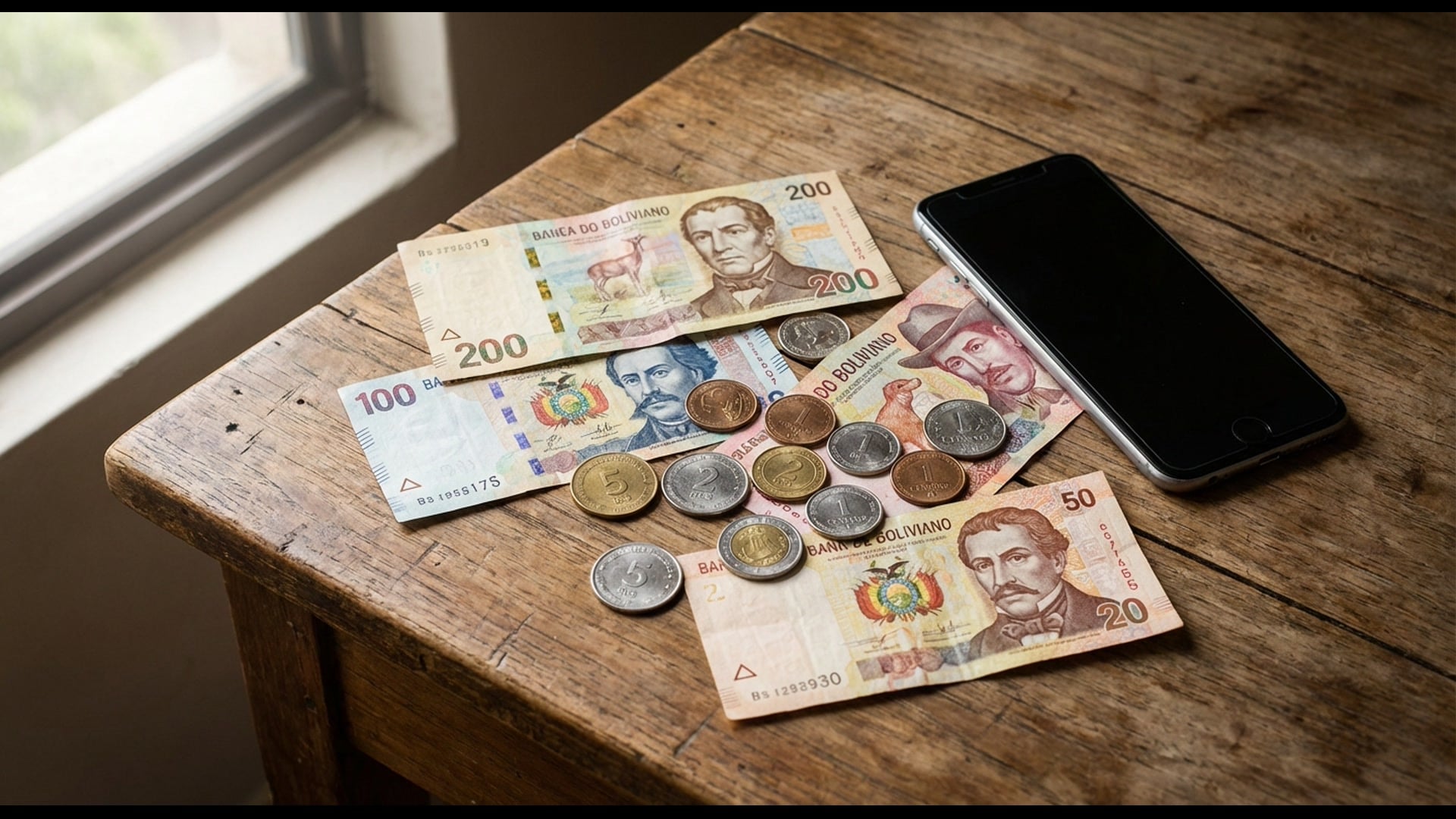
| Cash exchanged locally | Converts near the market rate now, but you still source it, carry it, and manage change. | Anywhere cash is accepted, rural stretches, tips | Useful backup, but cash is scarce and carrying it is the hassle QR removes. |
| International card | Converts near the market rate after the float, but your home bank’s foreign-transaction fee still applies. | Online checkouts, edge cases, merchants without QR | Fine as a backup. Can’t scan local QR, and home-bank fees stack up. |
| ATM withdrawal | Similar conversion, plus withdrawal fees, low limits, and frequent cash shortages. | Emergency cash in bigger cities | Last-resort tool, not a strategy. See the ATM tradeoff below. |
When Each Option Actually Makes Sense
Use QR first for normal city spending where the merchant already expects a local QR payment flow. That is usually where WanderWallet does its best work: restaurants, hotel desks, pharmacies, groceries, taxis, markets, and other everyday purchases.
Keep some cash for transport edge cases, smaller merchants, rural stretches, and situations where connectivity gets weird. Bolivia is not a zero-cash country, so keep a small cash backup.
Use cards only as backup for airline websites, international booking flows, and the merchants that really do not offer QR. The point is not to ban cards. The point is to stop carrying cash you do not need and to skip your home bank’s foreign-transaction fees where you can.
Use ATMs as a rescue path, not a plan. If you are leaning on foreign-card ATM withdrawals as your Bolivia strategy, read the ATM tradeoff first. Fee-free does not mean hassle-free when machines ration cash or sit empty.
How WanderWallet Solves the Access Problem
WanderWallet makes Bolivia’s local QR rail usable for foreigners. You set up before the trip, add funds to your wallet, then scan the merchant QR in Bolivia instead of defaulting to foreign-card checkout.
- Create and verify your WanderWallet account before arrival.
- Add funds before airports, border crossings, or low-signal moments.
- In Bolivia, open the app, scan the merchant’s QR code, and confirm. You see the exact cost in your own currency first.
- Show the success screen if the merchant wants to see it. That is normal local behavior.
If you want the broader traveler setup, support links, and country overview, the next step is the main Bolivia page.
Guardrails To Keep Straight
Bolivia QR helps with merchant payments. It is not a cash-withdrawal rail. Do not confuse QR Simple with an ATM or Pix-Saque-style cash-out flow.
Also keep a little operational buffer. Short maintenance windows can happen around 23:00-00:00 Bolivia time, so do not run your whole evening with exactly zero backup.
Bottom Line
How foreigners should pay in Bolivia is simpler than it looks. Use QR whenever QR is accepted, keep some cash for backup, treat cards as backup, and leave ATMs for emergencies. The float made cards convert at a fairer rate than before, but it did not change the basics: QR is how Bolivia pays, foreigners normally cannot use it, and cash is a hassle to carry. WanderWallet is what closes that gap.
If Bolivia is on your itinerary, set up WanderWallet before you land and add funds before your first checkout. When a merchant accepts local QR, you will be ready to pay like a local without relying only on cash, ATMs, or foreign cards.
Frequently Asked Questions
Can foreigners pay in Bolivia without a Bolivian bank account?
Yes. Foreigners can use cash, cards, and ATMs without a Bolivian bank account, and WanderWallet lets them use the local QR payment rail without opening one either.
What is QR Simple, and why does it matter to travelers?
QR Simple is Bolivia’s interoperable local QR payment rail. It matters because many everyday merchants already expect that flow, but most foreigners are blocked from using it directly without a local financial account.
When should I use QR, cash, cards, or ATMs in Bolivia?
Use QR for normal everyday spending when the merchant accepts it, keep cash for backup and edge cases, use cards when QR is not available or an online checkout requires them, and treat ATMs as an emergency cash path.
Are cards and ATMs a good way to pay in Bolivia now?
They are better than during the old fixed-rate period, because after the float they convert near the market rate. But your home bank’s foreign-transaction fees still apply, ATMs are unreliable and ration cash with their own fees, and neither can scan Bolivia’s local QR codes. Use them as backup, not as your main method.
Can WanderWallet QR payments be used for cash withdrawals in Bolivia?
No. Bolivia QR Simple is a merchant payment rail, not a cash-withdrawal rail. WanderWallet helps with merchant QR payments, not ATM-style cash out.
Ready to Start Paying with QRs or Pix?
Download WanderWallet and pay like a local.


About the Author

Milo
Milo writes about the stuff nobody tells you before you land: why your card gets declined, where cash still rules, and how to actually pay for things without getting ripped off. He's WanderWallet's resident payment nerd.